
Understanding Airbnb ID Verification: A Comprehensive Guide
Table of contents
- The Why of Airbnb ID Verification
- How Does Airbnb ID Verification Benefit You?
- Can Hosts Check a Guest’s ID Themselves?
- Airbnb ID Verification Procedure: What’s Required?
- Criteria For Successful Airbnb ID Verification
- Will You Need To Verify Again?
- Background Checks
- Consequences of Not Completing Airbnb ID Verification
- Privacy Measures by Airbnb
- Conclusion
- References
Key Takeaways
- Every host, new co-host and booking guest must complete Airbnb ID verification. A guest’s reservation isn’t confirmed, and a host’s listing isn’t published, until it’s done.
- Airbnb first tries to verify a legal name, address and other personal details through trusted third-party sources. It asks for a photo of a government-issued ID, and sometimes a selfie, only when needed.
- Airbnb doesn’t share a guest’s government ID with the host. For reservations booked on or after November 20, 2026, hosts can’t ask guests for ID copies or photos unless a law or a documented building or HOA rule requires them. They may check an ID in person at check-in if their additional rules say so.
- Verification lowers the risk of fake accounts, but Airbnb says it can’t guarantee that someone is who they claim to be.
- Criminal background checks are a separate step that covers only some users, such as US-based users and India-based hosts.
Airbnb sets a high standard in its customer verification system to ensure the security of all its stakeholders, both guests and hosts. One such key process is Airbnb ID verification. It may not be an elaborate procedure, but it carries immense significance. It not only affirms your identity but also offers several benefits. If you aim to list your property on Airbnb, it is vital to familiarize yourself with this critical step. This article unpacks all the information you need to understand Airbnb ID verification.
Tips on How to Make Your Airbnb Rental Business Safer
The Why of Airbnb ID Verification
As a globally recognized platform, Airbnb strives to maintain its integrity and avoid any association with deceptive practices. This drives Airbnb’s decision to conduct ID verifications. It’s a proactive measure to prevent any undesirable or suspicious activities on the platform, fostering a more trustworthy community for both hosts and guests.
Airbnb lists several goals for the process. Verification helps promote trust between guests and hosts, uphold community guidelines and reduce fraud. It also supports background checks where the law permits them, safety investigations, and compliance with laws such as payment and tax rules. Airbnb is candid about the limits, though. The process has safeguards, but it doesn’t guarantee that someone is who they say they are.
How Does Airbnb ID Verification Benefit You?

Fostering Trust
One prominent advantage of Airbnb ID verification is the trust it builds between hosts and guests. The knowledge that the hosts have undergone ID verification allows guests to feel confident and enjoy their stay. As a host, knowing your guests’ identities have been verified can let you focus more on providing outstanding service to earn favorable reviews.
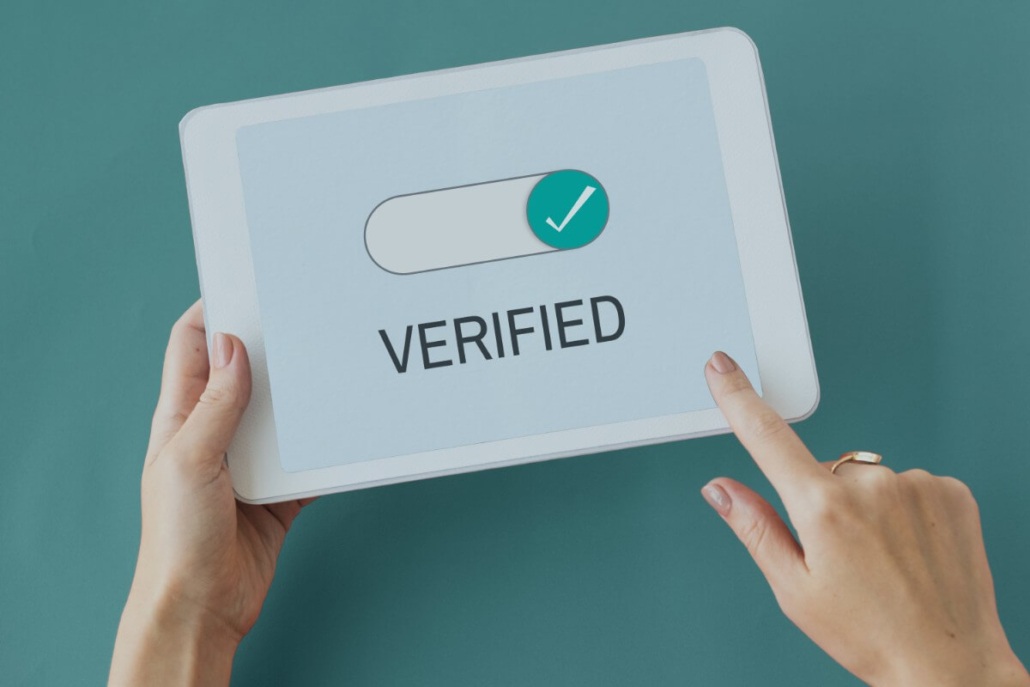
Verification is no longer optional on either side. Every booking guest has to complete it before a reservation is confirmed, and every host has to finish it before a listing goes live. Verified users get a red Identity Verified badge next to their profile photo. Tap the badge link on a guest’s profile to see the month and year when they first completed verification.
Guarding Against Fraud
Airbnb ID verification serves as a strong first line of defense against fraud. Every account behind a booking has to pass it, which makes it harder to book under a fake name. Airbnb recognizes the risk of allowing unidentified individuals to book your property.
Still, verification confirms identity, not intentions. A verified guest can still break house rules, so reading reviews and asking about the trip remain part of good screening. If a guest damages your place, you file a reimbursement request in the Resolution Center within 14 days of checkout. If the guest doesn’t pay, Host damage protection under AirCover for Hosts can step in.
Saving Time And Energy
In a scenario where Airbnb didn’t conduct ID verification, anyone could book your property. The thought alone can be unsettling. Airbnb ID verification takes this work off your plate, allowing you to focus on productive strategies rather than worry about your guests’ legitimacy.
Running your own verification isn’t an option anyway. For reservations booked on or after November 20, 2026, hosts may not ask guests for ID documents or photos, background check information or credit history. Apart from an in-person ID check at check-in, covered below, the exceptions are a legal requirement or a documented community association rule.
What Hosts Can See About a Guest
Before confirming a booking, it’s useful to know some basic information about your guests. Airbnb doesn’t share a guest’s government ID or the personal details used for verification. You can see the guest’s profile, reviews from past hosts and the Identity Verified badge. Once the reservation is confirmed, the guest’s phone number appears in the reservation details. In some locations, it’s a temporary number assigned by Airbnb.
Can Hosts Check a Guest’s ID Themselves?
Only in a limited way. For reservations booked on or after November 20, 2026, a host may physically check a guest’s ID at check-in to confirm identity in person. The requirement has to appear in the additional rules section of the listing, and the host can’t keep a digital or physical copy.
Copies are allowed only when a law or a documented community association rule requires them. Some regions, for example, require guests to register with local authorities. In that case, the host must explain what’s required and why in the additional rules section before booking. The host should also collect no more data than the rule calls for, and store and dispose of it securely.
Reservations booked before November 20, 2026 follow Airbnb’s previous Off-Platform Policy. It already banned asking guests for ID photos before arrival unless legal or compliance reasons required them. For more on handling guest data, see our guide to guest privacy and data protection and our overview of Airbnb’s new house rules policy.
Airbnb ID Verification Procedure: What’s Required?
The specific details Airbnb asks for depend on your country and on whether it detects anything unusual. Generally, these include:
- Legal name, address and other personal information: Sometimes these details are all Airbnb needs, because it can check them against trusted third-party sources. Your legal name should match public records or your government-issued ID. You can still add a preferred first name, which is the name hosts and guests see.
- A photo of a government-issued ID: If personal information isn’t enough, Airbnb may ask for a driver’s licence, passport or national identity card. Submit both sides of a two-sided ID.
- A selfie: Airbnb may ask for a photo taken in the moment to match against your ID. It doesn’t appear on your profile or get shown to other users.
- Extra details for some hosts: Hosts operating as a business may need to verify more, such as a home address or citizenship. In the EU and Brazil, some hosts must also verify taxpayer information.
Some users can choose facial recognition or an NFC chip check, depending on the region. If none of these methods work, Airbnb may accept other proof of identity in limited cases, such as a marriage licence or court order.
Criteria For Successful Airbnb ID Verification
The following conditions help you pass Airbnb ID verification on the first try:
- You must be at least 18 years old, since only people 18 or older can register on Airbnb.
- Your legal name must match public records or your government-issued ID.
- Your ID must be an unexpired original, not a photocopy, PDF or other digital copy.
- If Airbnb asks for a selfie, take it at the moment of submission in good light, and make sure it matches your ID photo.
Hosts can’t publish a listing or accept reservations until verification is complete. If your selfie doesn’t match your ID, you can contact Airbnb for an alternative verification method.
Will You Need To Verify Again?
Occasionally, Airbnb might require you to re-verify your identity to ensure the account holder’s authenticity. Common triggers include editing your legal name, updating other account information, or Airbnb detecting risk. Airbnb may be able to re-verify you instantly with information it already has.
For primary hosts, existing reservations stay in place, but the calendars of their listings are blocked until re-verification is complete. Guests keep their existing trips but can’t make new reservations until Airbnb verifies the change.
Background Checks

Where local laws permit, Airbnb may also run a background check. Airbnb receives criminal background checks on US-based users and India-based hosts. It also checks people who apply to offer select types of services in Canada, Mexico and the UK. Airbnb states that it doesn’t run background checks on all users.
Hosts can’t make up for this with their own checks. Background check information and credit history are on the list of personal data hosts may not request from guests. Airbnb ID verification and these checks add real protection, but neither is a guarantee, so your own judgment still matters.
Consequences of Not Completing Airbnb ID Verification
If you don’t complete Airbnb ID verification, you can’t fully use the platform. A guest’s reservation stays pending until verification is done. If check-in is within 12 hours, the guest has 1 hour to finish; otherwise, the deadline is 12 hours after booking. If the guest misses the deadline, the reservation isn’t confirmed.
Hosts have no time limit, but their listing isn’t published until they finish, so they can’t accept reservations. A new co-host has to complete verification before accepting an invitation to a listing.
Privacy Measures by Airbnb
Airbnb places great importance on the security and privacy of its users. The identity information you provide for verification isn’t shared with hosts or guests on Airbnb. Only authorized Airbnb personnel and authorized third-party providers may access it, and Airbnb says it stores and transmits the information securely.
Those third-party providers help verify identities, authenticate documents and run background checks where the law permits. Airbnb keeps ID images and selfies for purposes such as legal compliance, security and safety investigations. In many regions, including the EU, it deletes ID images three years after receiving them. Selfies are kept for as long as the account exists, unless a longer period is required. After an ID is deleted, Airbnb still keeps some information from it, such as the date of birth.
Conclusion
Airbnb’s customer verification system, with ID verification at its core, gives hosts and guests a shared baseline of trust. Though not overly complex, this procedure is critical, with substantial benefits. If you’re planning to list your property on Airbnb, understanding this process is key. ID verification builds trust, makes fraud harder and saves you from checking guests’ identities yourself, which hosts can now do only in a limited way.
Airbnb usually needs your legal name, address and other personal details, and sometimes a photo of your government-issued ID and a selfie. Failing to complete verification blocks bookings for guests and publishing for hosts. Through this guide, we hope you’ve gained a comprehensive understanding of the Airbnb ID verification process.
Explore A Comprehensive Guide to Mastering Airbnb Guest Screening.
Check out How to Deal with Vacation Rental Neighbors’ Complaints: A Comprehensive Guide.
If you’d rather have a team handle guest screening and booking requests within Airbnb’s rules, explore MasterHost’s Airbnb booking management.
References
- Airbnb Help Centre: Limiting host-imposed contracts and other requirements
- Airbnb Help Centre: Criminal convictions and proceedings
- Airbnb Help Centre: Background checks for service hosts
- Airbnb Help Centre: Contacting your guests by phone
- Airbnb Help Centre: Host damage protection
- Airbnb Help Centre: Terms of Service