


What is a Short-Term Rental
What is a Short-Term Rental? It’s a furnished home, apartment, or room that you can book with a known start and end date for a short period. You book typically for nights, or weeks, but sometimes for a month or even a few months but not for a year. The rate usually includes furniture, basic supplies, and utilities. This works well for vacations, work trips, relocations, and temporary housing. Rules differ based on location, so always check on your local definition and allow before listing or booking. Knowing what a short-term rental is, will allow you to plan accordingly and run legally with confidence.
What is a Short-Term Rental: Basic Definition
Simply said, a short-term rental is instant guest-ready housing for a limited time. The space is ready to move in. The host is responsible for furniture, linens, kitchen tools, internet, and a guest pays either a nightly or monthly rate that generally covers most utilities. Check-in and check-out are clear. Cleaning happens between bookings. Unlike long leases, this commitment is flexible. Because the stay is short, guests can travel light and just leave when the booking ends.
What is a Short-Term Rental: Other Names You Will See
Municipalities and platforms sometimes refer to the same thing by different titles: vacation rental, transient rental, short-term vacation rental, or resort dwelling unit. The concept is pretty similar, yet the legal cutoff for maximum stay can change by state or city. Check your local government site for the exact wording, permitted zones, and license steps. Clearly defined terms ward off confusion and help you stay out of trouble.
What Qualifies as a Short-Term Rental: Usual Length Thresholds
Most define a short-term rental as stays under 30 or 31 nights. Some set even shorter limits, 14 or 15 nights. Others allow up to 90, 150, or even 180 nights. The cutoff can also depend on whether the home is your primary residence.
Fast check:
- look up your city’s page on short-term rentals;
- check how many consecutive nights are allowed;
- find out if there is a minimum number of night requirements;
- check for annual caps, if they apply.

City Snapshots
| City | Usual Length Threshold | Primary-Residence Rule (If Any) |
| New York City, NY | Fewer than 30 nights; entire homes under 30 nights are not allowed unless host is present with max 2 guests | Host must be a permanent occupant and present for <30-night stays |
| Los Angeles, CA | Less than 30 nights qualifies; city caps home-sharing to 120 days/year unless extended | Primary residence only; certain units ineligible (e.g., RSO, ADUs) |
| San Francisco, CA | Less than 30 nights; un-hosted capped at 90 nights/year; must be permanent resident (≥275 nights/year) | Permanent resident requirement |
| Chicago, IL | 31 days or fewer (Shared Housing Ordinance) | No citywide primary-residence rule in definition; building/zone rules apply |
| Austin, TX | Less than 30 consecutive days; STR Types 1–3 define owner vs non-owner occupied | Types distinguish owner-occupied vs non-owner-occupied |
| Miami Beach, FL | Less than 6 months + 1 day considered vacation/short-term; prohibited in many zones (incl. all single-family) | N/A citywide; zoning controls where allowed |
| Toronto, ON | Less than 28 consecutive days | Principal residence only |
| Vancouver, BC | Less than 90 consecutive days requires STR licence (updated to align with BC law) | Principal residence focus under provincial/municipal rules |
| Montréal, QC | 31 days or less, but in most boroughs only June 10–Sept 10 for principal residences | Principal residence + CITQ certificate and city permit |
| Ottawa, ON | Less than 30 consecutive nights | Principal residence in most urban areas; permit required |
| Calgary, AB | Up to 180 consecutive days (city definition) | No principal-residence restriction in definition; licence required |
| Dubai, UAE | DET “Holiday Homes”; stays commonly up to 90 days per booking; permits are unit-specific | Whole-unit only (no room-only lets); operator licence + unit permit |
| Abu Dhabi, UAE | DCT Holiday Homes; each contract ≤ 3 months, renewable; DCT may set min/max stay | Licence required; DCT may cap number of rent-outs per year |
What Does a Short-Term Rental Look Like for Hosts in Practice?
Hosting means hospitality, operations, and light marketing all combined. You get a clean, furnished space ready. Besides, you decide on house rules and how access is given. You respond to messages and schedule cleans. Furthermore, you do seasonal pricing adjustments and learn demand. Reviews matter, so fix problems fast and have clear communication. In short, for a host, a short-term rental is a home run as a small service business.

What is a Short-Term Rental for Guests?
Guests choose short-term rentals for space, privacy, and home comfort. They can cook, do laundry, and work at a table. Families can spread out across rooms. Business travelers appreciate fast Wi-Fi, a real desk, and quiet sleep. Many companies today allow employees to expense verified short-term rentals, which boosts midweek demand. When guests ask what is considered a short-term rental, they expect a temporary home to be available, easily bookable, and easy to use.
What is a Short-Term Rental: Owner-Occupied or Not?
Regulations often bifurcate listings into owner-occupied and non-owner-occupied homes. If you live there most of the time, and rent a room or the entire house at times, you may fall under one set of limits. If you aren’t living there and are renting to guests, you may fall under different day caps or zones. Cities will often define “primary residence” and require proof. For city-specific thresholds and residency rules, see the City Snapshots table above, then confirm details on your local government website before you list or book.
What Constitutes a Short-Term Rental for Different Property Types
Short-term rental comes in a number of forms:
- Entire House: A single self-sufficient unit, complete with living area, bathroom, and kitchen.
- Accessory Dwelling (ADU): A backyard cottage or garage apartment, often on the same lot but with a private entrance.
- Private Room: A room or rooms in an existing host’s primary home, shared use of a kitchen or yard.
Choosing the correct category is important to permits, taxes, and insurance, so make sure to match your listing to the correct type.

What is a Short-Term Rental vs. a Long-Term Lease?
A long-term lease runs for several months and usually requires the tenant to furnish the space and set up utilities. For a short-term rental, the place is furnished; utilities are in the rate, and it uses flexible bookings. The guests can move on without feeling like they broke a lease because the commitment is so much shorter. Hosts can adjust the price and availability as demand shifts. The main differences are time, service level, and flexibility.
How Cities Manage Compliance
Many cities operate programs that bring active listings, host registrations, and collections of local occupancy taxes under one roof, with complaint handling. The potential requirements: license and permit, proof of primary residence, a posted license number on listing. Some places require a local contact who can respond quickly. Know the steps, have your documents handy, and renew in time. If you treat compliance as part of operations, you will protect your business.
Quick Permits, Taxes and Insurance Checklist
Use this basic list to keep yourself organized:
- Zoning And License: Verify the zone permits short-term rentals. Apply for a permit or license as required.
- Taxes: Sign up for occupancy or lodging taxes if necessary, as some platforms collect and remit while others do not.
- Business Registration: Most states and / or cities require either a tax account or business license.
- Insurance: You should definitely inquire with your insurer about short-term rental coverage and liability limits. Platform protections do not replace a real policy.
- Posting Regulations: Display license numbers where mandatory; keep records of reservations and tax filings.
Short-Term Rental Minimums and Annual Limits
Local regulations can call for minimum stays of one or two nights and cap how many days per year you can rent out your home, particularly if it is a non-owner-occupied home. Match your calendar settings to the rules. If listing on multiple platforms, keep the minimum nights and annual caps consistent on each site to avoid accidental violations.
What is a Short-Term Rental to Investors? Seasonality and Access
Peak seasons bring bigger numbers and better demand, yet those dates may be when you want personal use. Determine early if you will block personal time or maximize income during holidays and events. Establish weekday, weekend, and peak price tiers. Create a simple event calendar and plan personal stays months in advance. Clear rules prevent calendar conflicts and lost revenue.

Short-Term Rental: Advantages And Disadvantages
- Pros: Flexibility, comfort by having furniture in, dynamic pricing, and use of property when unbooked.
- Cons: Turnover work, variable demand, and detailed rules. The guests gain space and a kitchen, the hosts gain calendar control and price flexibility. Yet both sides need clarity of expectations, realistic outlooks, and simple communication.
What is a Short-Term Rental: Pricing And Revenue Tips
Research similar listings to inform your minimum price. Adjust by season, day of the week, and demand trends. Offer weekly or monthly discounts to fill longer gaps. Minimum night settings can limit one-night gaps. Monitor occupancy and average daily rate monthly. Sometimes, even the tiniest tweaks in price lift revenue without affecting bookings. Be transparent about fees: clear totals foster trust and help generate good reviews.
What is Considered a Short-term Rental: Operations That Scale
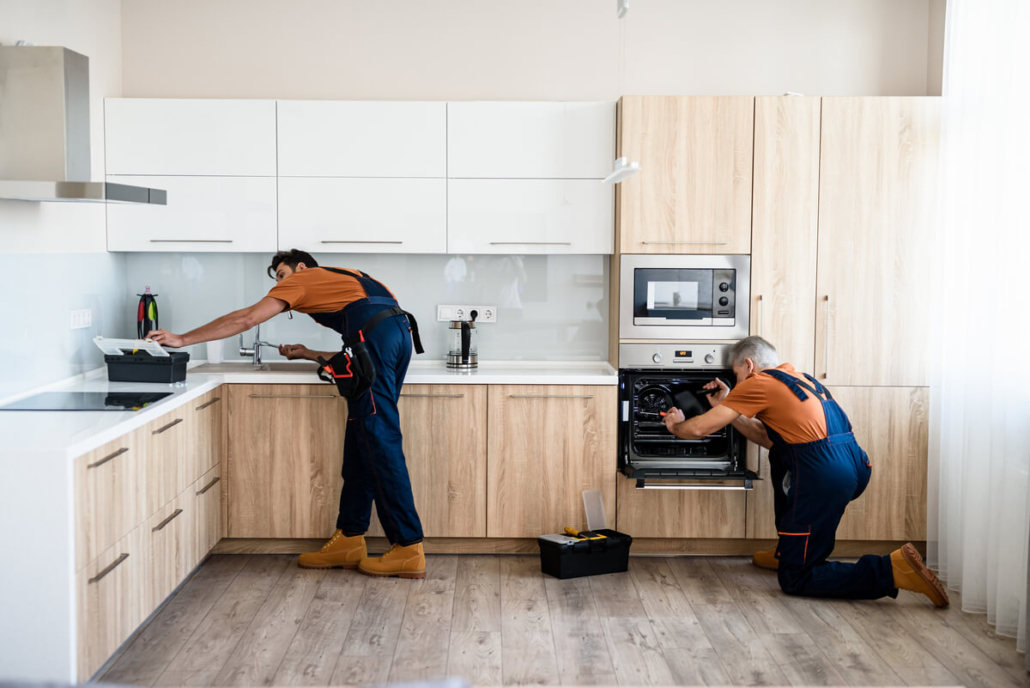
Reliable operations keep quality consistent. Develop a cleaning checklist and keep extra linens and towels available. Label storage bins, stock paper goods, and set a routine for deep cleaning. Use smart locks for entry and have a backup key solution. Where permitted and properly disclosed, install privacy-safe noise monitors to deter parties. Keep a go-to contact list for plumbers, electricians, and handymen for fast repairs.
Short-Term Rental Guest Experience that Wins Reviews
Send a warm welcome message with check-in steps, Wi-Fi info, parking instructions, and quiet hours. Provide a digital house manual with photos of thermostats, circuit breakers, and appliances. Include a small welcome kit: coffee, toiletries, etc. Answer guest questions quickly. After checkout, invite feedback and resolve issues you can within a week. Consistency earns positive reviews and repeat stays.
Explore AI for Airbnb Hosts: Enhancing Guest Experience.

Being A Good Neighbor
Post quiet hours and offer a simple parking map. Share your 24/7 contact number with nearby neighbors. Ask guests to keep gates shut, observe trash days, and avoid blocking driveways. Thoughtful guest guidelines help prevent complaints and protect your license. When you respect your neighbors, your business is more likely to gain community support.
Access and Inclusion
Clarity helps everyone. Be specific about stairs, doorway widths, and parking availability. Mention bed height and shower type. Install motion lights at entry points and consider grab bars in bathrooms. Share floor plans or detailed room-by-room photos. Quiet hours help families with young kids and remote workers. Accurate details let guests decide if the place fits their needs.
What Constitutes a Short-Term Rental on Major Platforms
Websites list entire homes, ADUs, and rooms with booking calendars, pricing, and policies. These platforms use reviews and secure payments to protect both guests and hosts. For success, update calendars regularly, respond quickly, and use accurate photos. Describe the layout clearly. If your city requires a license number in the listing, add it in the space provided by the platform.
What is a Short-Term Rental: From an Idea to the First Booking
- Check zoning laws and read your city’s short-term rental guide.
- Apply for licenses or permits and register for occupancy taxes if required.
- Confirm you have proper insurance coverage.
- Choose your rental type: whole house, ADU, or private room.
- Set minimum stays, lead times, and caps that match local law.
- Set weekday, weekend, and holiday pricing.
- Photograph each room in natural light, including workspaces and outdoor areas.
- Publish a clear listing with house rules and quiet hours.
- Send a digital house manual before arrival.
- Track occupancy, rates, and reviews – adjust monthly.
FAQ
Q: How Do I Confirm if My City Allows STRs?
A: Search “your city + short-term rental license.” Visit the official city or county website. There, you can verify zoning rules, license requirements, tax setup, and renewal timelines.
Q: What Is the Minimum Length of Stay?
A: It varies. Many areas allow one or two nights. Others impose longer minimums depending on the zone or building. Always set your calendar to meet or exceed your local minimum-night rule.
Q: Which Properties Qualify as Short-Term Rentals?
A: Entire homes, accessory dwelling units (ADUs), and private rooms may qualify if local regulations allow and you complete the proper registration. Be sure to select the right category when applying.
Q: What Are the Main Risks of Short-Term Leases?
A: Common risks include seasonal vacancies, the need for dynamic pricing management, added cleaning and coordination work, neighbor complaints, and fines for non-compliance. Clear rules, quick responses, and legal registration help reduce those risks.
Q: Do Platforms Handle Taxes for Me?
A: Sometimes. Many platforms collect and remit lodging taxes in some areas but not everywhere. You are still responsible for registering with tax agencies and paying any taxes the platform doesn’t handle.
Legal Etiquette That Keeps You Safe
State your maximum guest count, quiet hours, and no-party policy in your listing and house manual. Use disclosed safety devices such as smoke detectors, carbon monoxide alarms, fire extinguishers, and first-aid kits where permitted. Keep inspection records if required. Respect building bylaws and HOA rules. Aligning your rules with local standards makes enforcement easier and more fair.
Data to Track Monthly
Monitor these five key metrics:
- Occupancy Rate
- Average Daily Rate (ADR)
- Five-Star Review Percentage
- Cleaning Time per Turnover
- Average Response Time for Messages
These numbers show where you’re thriving and where you can improve. If occupancy drops, review your pricing or photos. If reviews dip, address the feedback. Small, ongoing changes lead to strong long-term performance.
Simple Marketing That Works for Short-Term Rentals
- Write a title that focuses on your top feature, such as: “Pet-Friendly 1BR Loft Near Downtown Arts District.”
- Use your best photo first – ideally the room guests will spend the most time in.
- Add two lines in your description just for remote workers: Wi-Fi speed, desk, and outlet access.
- Mention nearby grocery stores and public transit in two sentences.
- Keep the tone honest and concise. Clear listings convert better than flashy ones.
Must-Haves in Your House Manual
Your house manual should include:
- Check-in and access instructions
- Wi-Fi name and password
- Parking guide
- Appliance how-tos
- Trash and recycling days
- Quiet hours
- Emergency contact numbers
- Checkout procedures
Bonus: Add a map with key locations marked like transit stops, grocery stores, hospitals, and restaurants. Keep the format short, visual, and friendly. A good manual saves you from 3 a.m. guest calls.
What Is a Short-Term Rental: Final Words
At its core, a short-term rental is a fully furnished, flexible home-away-from-home. It serves families, travelers, professionals, and anyone needing temporary housing. It gives homeowners a way to earn income when their property is free.
Success in short-term rentals rests on three pillars:
- Clear rules
- Consistent service
- Honest communication
When you follow local laws, track performance, and show respect to your community, you build a reliable business that guests trust and neighbors can live with. With a solid understanding of what a short-term rental is, you’ll be ready to host with confidence, travel smarter, and make informed decisions in a fast-moving market.