
Airbnb Cleaning Checklist: Room by Room + Free PDF
Table of contents
- Why a Written Checklist Beats Cleaning From Memory
- What Makes a Turnover Different From a House Clean
- What Airbnb’s Own Cleanliness Rules Say
- Airbnb Cleaning Checklist: Every Room
- Stocking Essentials and Adding Extras
- Turnover Cleaning Versus Deep Cleaning
- Eco-Friendly Cleaning and What Guests Notice
- Mistakes Hosts Make Without a Checklist
- Syncing the Checklist With Your Booking Calendar
- Download the Printable Airbnb Cleaning Checklist
- What Better Turnovers Look Like in Practice
- FAQ: Airbnb Cleaning Checklist Questions
- Putting the Checklist to Work
Key Takeaways
- A written Airbnb cleaning checklist is what turns a good turnover into a repeatable one, because it survives staff changes, late checkouts and back-to-back bookings.
- Airbnb publishes its own cleanliness standard in the Ground Rules for home hosts: listings must be free of health hazards, free of extensive dust, pet dander and dirty dishes, and cleaned between every stay.
- Cleanliness is one of the six categories guests rate, and Airbnb’s search algorithm treats ratings and reviews as part of listing quality.
- Airbnb draws a line between standard cleaning between reservations and excessive or deep cleaning. The cleaning fee is only meant to cover the first.
- Hosts may not charge guests a fee for failing to do cleaning or checkout tasks, though they can still rate and review on cleanliness.
- The printable version at the bottom of this page is designed to be handed to a cleaner and ticked off room by room.
Why a Written Checklist Beats Cleaning From Memory
When travelers book a short-term rental, they want comfort, convenience, and cleanliness. A cozy bed and stylish décor may attract attention, but if the property is not spotless, the reviews will reflect it. An Airbnb cleaning checklist fixes the part of that equation you control: not how hard someone cleans, but whether the same things get done every single time.
That matters most on the days when nothing goes to plan. For example, a guest leaves at 11:15 instead of 10:00, the next arrival has already messaged about early check-in, and whoever is cleaning is now working from memory. Memory is where the restock gets missed and the shower door keeps its water marks.
The checklist below is ordered room by room, which is how turnovers are actually worked. As a result, each room ends where the next begins, so nobody doubles back.
What Makes a Turnover Different From a House Clean
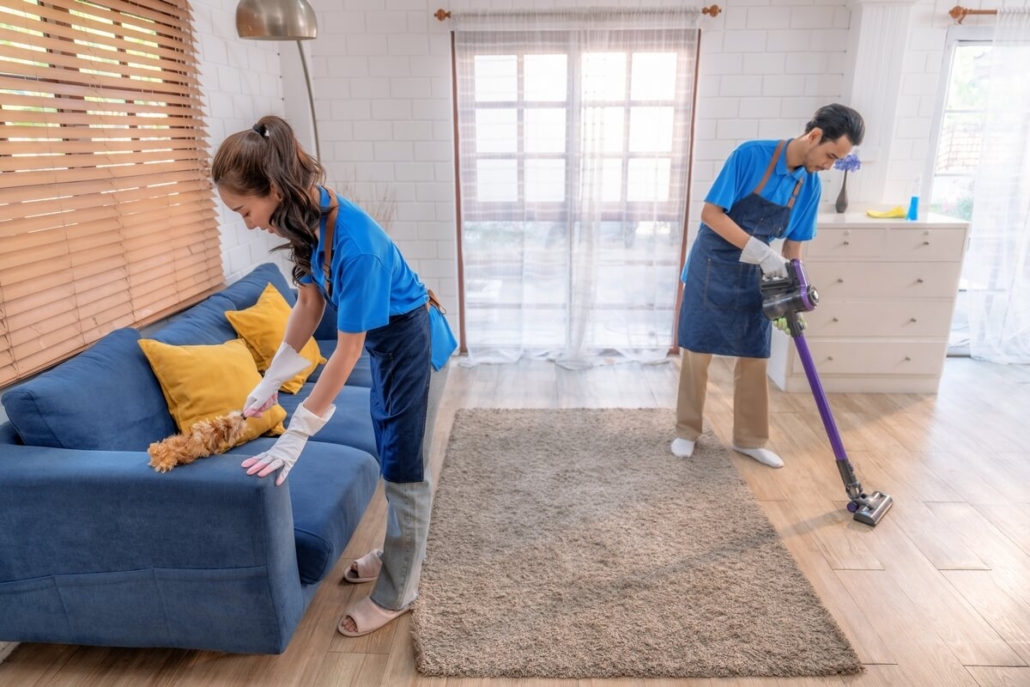
At first, cleaning a rental may look similar to cleaning any other home. However, the standards for short-term rentals are much higher. Guests compare your space not only to other homes but also to hotels. Three demands separate a turnover from an ordinary clean.
- Speed: Turnovers are often scheduled within just a few hours. Cleaners must finish quickly so that new guests can check in on time.
- Consistency: Guests expect the property to look exactly as it does in the listing photos. Each turnover must achieve the same standard every time.
- Presentation: Cleanliness goes beyond hygiene. Pillows must be arranged neatly, towels folded with care, and kitchens staged to look welcoming.
What Airbnb’s Own Cleanliness Rules Say
Airbnb sets out a published cleanliness standard in its Ground Rules for home hosts, under the heading “Listing cleanliness”. It is short, and it is the only part of a cleaning routine that carries consequences.
Airbnb states that all listings should be clean and free of health hazards before check-in, then breaks that into three parts:
- Health and safety: listings should be free of health hazards such as mold and pests.
- Cleanliness: hosts should provide listings that meet a high standard of cleanliness, free of extensive dust, pet dander and dirty dishes.
- Guest turnover: hosts should clean between every stay, which Airbnb describes as doing laundry, taking out trash, vacuuming or sweeping, and wiping down surfaces.
Repeated or severe breaches of the Ground Rules can lead to warnings, suspension, removal from the platform, or loss of Superhost status. Those three lines are therefore the floor a turnover has to clear, not a suggestion.
The rating side is published too. Guests rate homes in six categories, and Airbnb defines Cleanliness as whether the home was free of health hazards like mold and pests, and free of extensive dust, pet dander and dirty dishes. Note that the Overall rating is its own category rather than an average of the other five, and a listing’s average score only appears publicly once at least three guests have rated it.
Ratings then feed search. Airbnb names quality, popularity, price and location as the factors with the largest influence on search results, and describes quality as including ratings and reviews from guests. In addition, it states that higher quality listings with better ratings and reviews tend to rank higher.
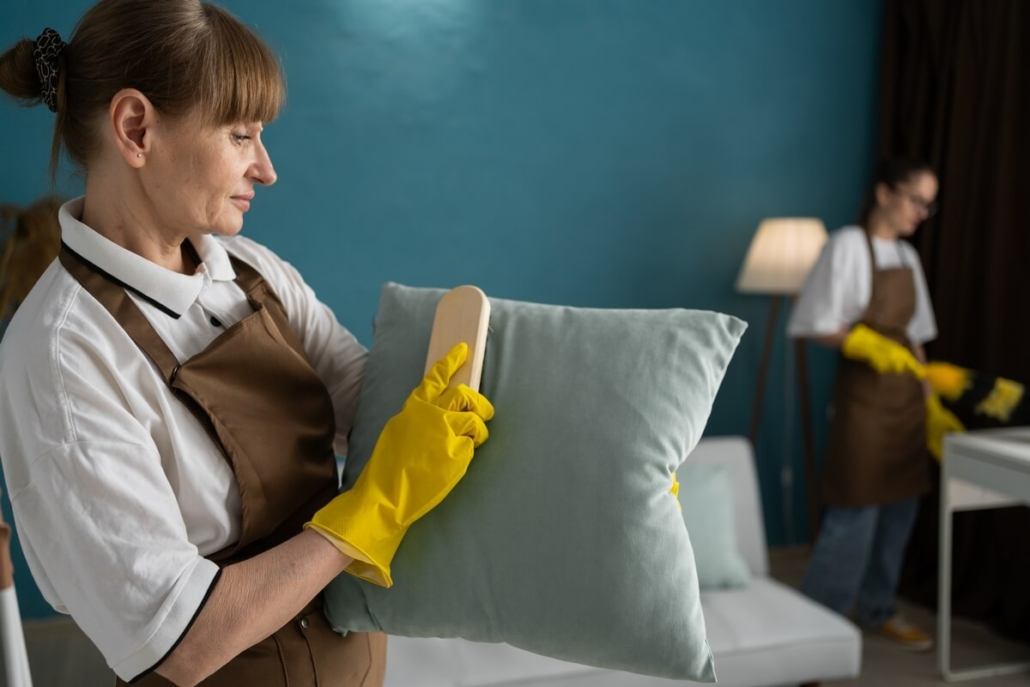
Table 1. Airbnb’s published cleanliness rules, and what each one means for your turnover
| What Airbnb publishes | What it means for your turnover |
| Listings must be free of health hazards (mold, pests) | Grout, silicone seals and under-sink cupboards are recurring checks, not one-offs |
| Free of extensive dust, pet dander, dirty dishes | Baseboards, ceiling fans and the dishwasher filter belong on the list |
| Clean between every stay: laundry, trash, vacuum, surfaces | These four are the minimum, whatever the turnaround window |
| Cleanliness is a rated category | Anything a guest can photograph is worth a second look before you lock up |
Airbnb Cleaning Checklist: Every Room
A good turnover does not improvise. It follows a checklist designed for speed and accuracy. Here is what that looks like in practice.
Bedrooms: Comfort and Freshness
- Replace all bedding, including duvet covers and pillowcases.
- Dust headboards, lamps, and nightstands.
- Vacuum floors and check under the bed.
- Inspect mattresses and rotate if necessary.
- Arrange pillows and throws neatly to create a welcoming look.
Guests spend most of their time in the bedroom, so presentation matters. Even something as small as wrinkled sheets can affect how they rate their stay.
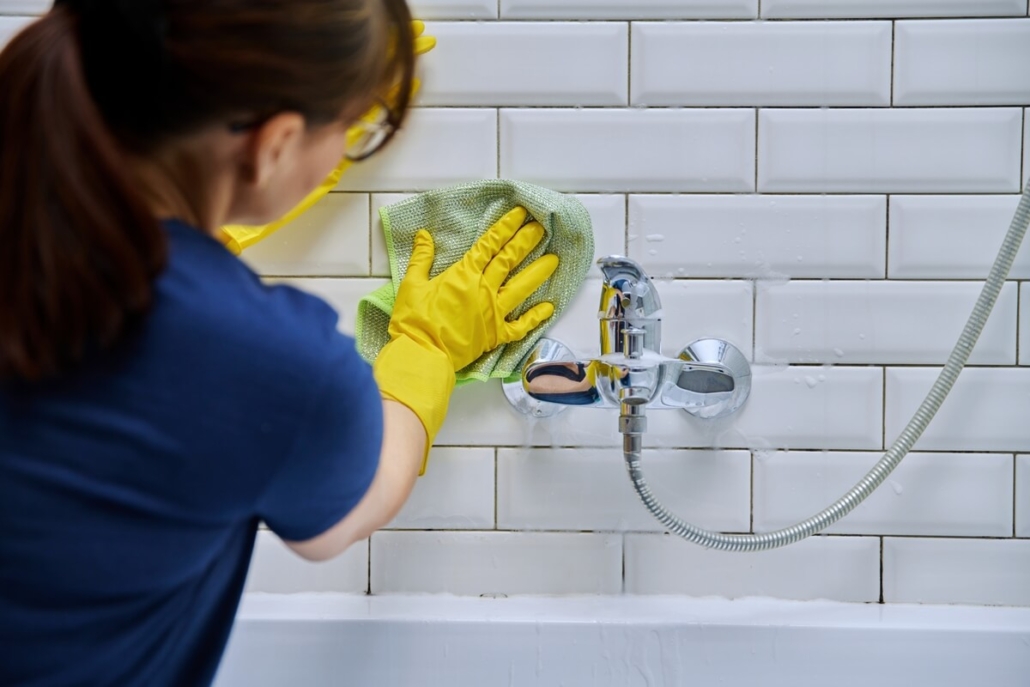
Bathrooms: The First Test
- Disinfect toilets, sinks, and tubs.
- Polish mirrors and fixtures until streak-free.
- Replace towels with freshly laundered sets.
- Restock soap, shampoo, and toilet paper.
- Mop floors and scrub grout lines.
Bathrooms often shape a guest’s first impression of cleanliness. That said, they also matter for a second reason: mold shows up in grout and around seals long before it appears anywhere else, and mold is named in Airbnb’s health-hazard wording.
Kitchens: Spotless and Stocked
- Wipe and sanitize counters and sinks.
- Empty trash bins and replace liners.
- Clean appliances, including fridge, oven, and microwave.
- Wash dishes or load the dishwasher.
- Sweep and mop the floor.
Coffee machines, kettles, and toasters are worth checking on every turnover, since they collect residue faster than anything else on the counter. Restocking items like coffee pods or dish soap costs little and often shows up in positive reviews.
Living Rooms and Common Areas
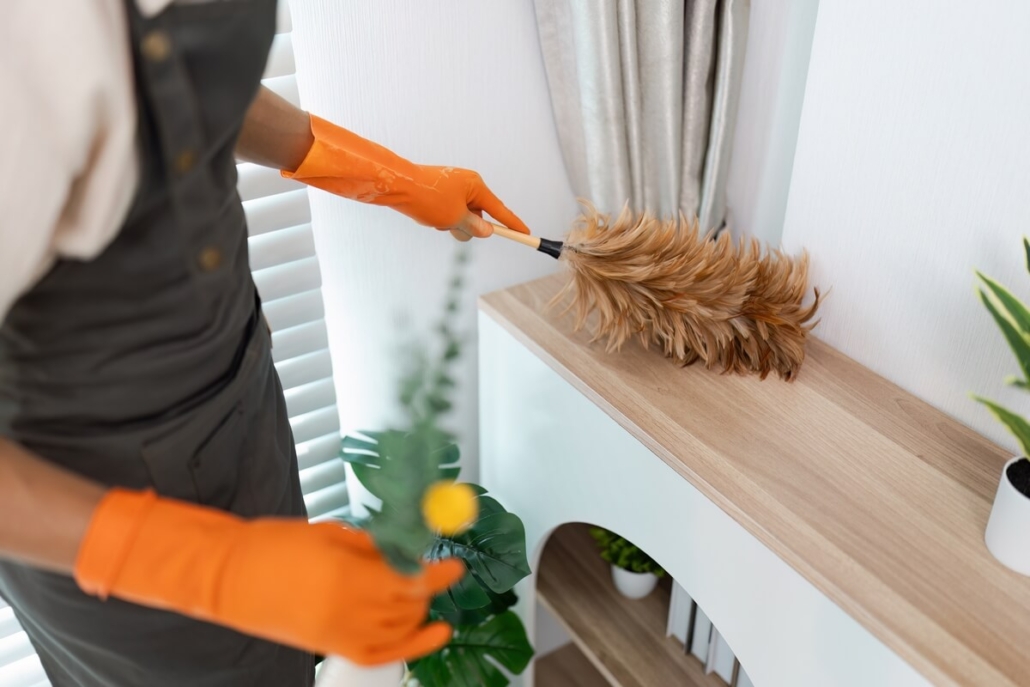
- Dust shelves, décor, and tables.
- Vacuum rugs and carpets.
- Sanitize remote controls and switches.
- Arrange cushions, throws, and furniture neatly.
- Clean windows to let in natural light.
Guests often notice these spaces first. A clean, bright living area sets the tone for the entire stay.
Outdoor Spaces
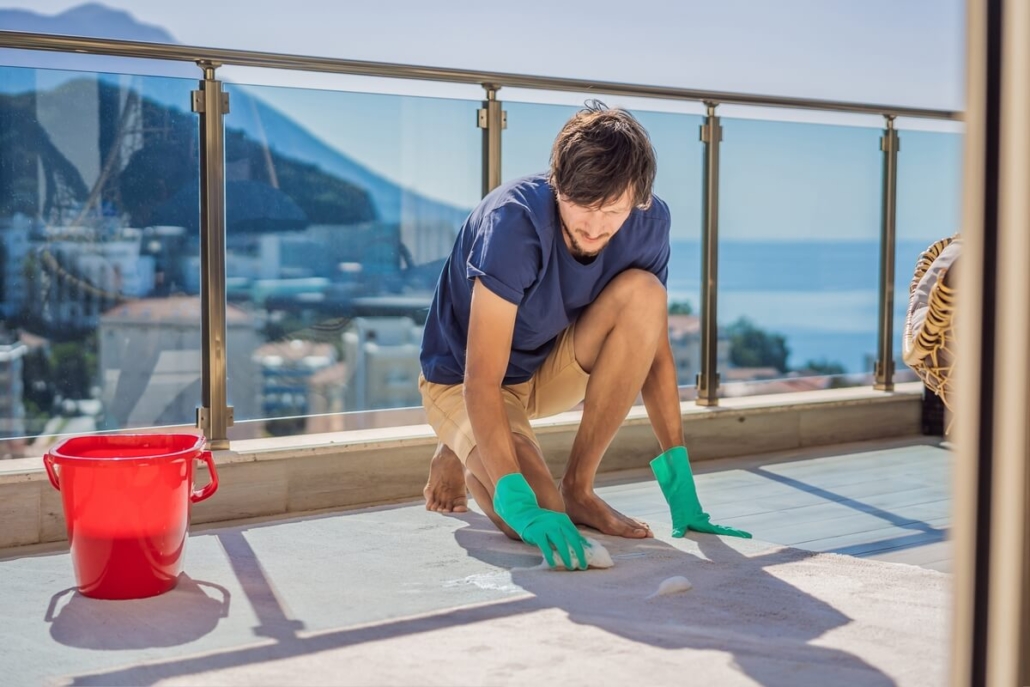
- Sweep balconies and patios.
- Clean and arrange outdoor furniture.
- Remove cobwebs and debris.
- In colder climates, clear snow from entryways.
These small touches make the property look cared for and professional.
Stocking Essentials and Adding Extras
Cleaning alone is not enough. Guests also expect essential supplies. A turnover typically restocks:
- Toilet paper and tissues
- Soap, shampoo, and conditioner
- Trash bags and dishwashing liquid
- Coffee, tea, or sugar packets
Small extras, such as bottled water or welcome snacks, are optional but often appreciated. They show attention to detail and can turn a good review into an excellent one.
Turnover Cleaning Versus Deep Cleaning
Airbnb separates the two in writing. Cleaning fees set by hosts are only meant to cover standard cleaning between reservations, such as laundry and vacuuming. Guests, on the other hand, are expected not to leave a listing in a state that requires excessive or deep cleaning, with moldy dishes, soiled carpets, and pet stains given as the examples.
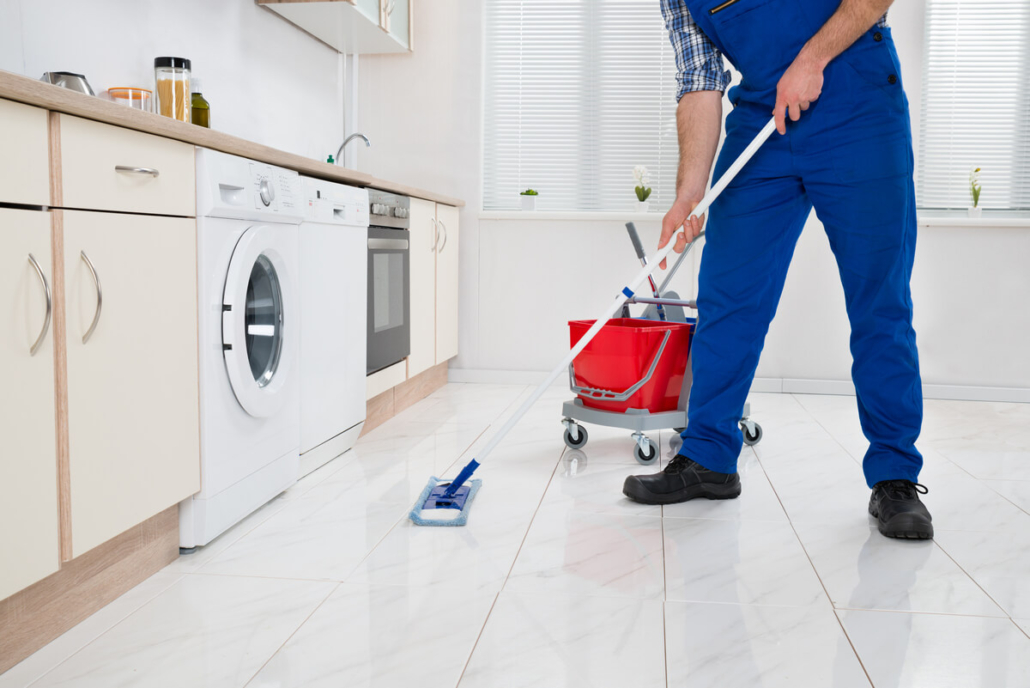
Table 2. Turnover cleaning versus deep cleaning, side by side
| Turnover clean | Deep clean | |
| How often | Every stay, without exception | Scheduled separately, commonly every two to three months |
| What it covers | Laundry, trash, vacuum, surfaces, restock | Grout, appliance interiors, upholstery, behind and under furniture |
| Who pays | Covered by the cleaning fee | A host cost, not a guest fee |
One rule catches hosts out. Hosts may not charge guest fees for failing to perform specific cleaning or checkout tasks, though they may still leave ratings and reviews based on cleanliness. In other words, you can ask a departing guest to start the dishwasher, but you cannot bill them for not doing it. Anything you do want to ask for belongs in your checkout instructions, where guests can see it before they book.
Eco-Friendly Cleaning and What Guests Notice
Many travelers today value sustainability. Biodegradable products, reusable cloths, and energy-efficient equipment change little about the checklist itself and quite a lot about how a small space smells when someone walks in.
This approach has several benefits:
- Guests appreciate safer environments for kids and pets.
- The property avoids strong chemical odors.
- Hosts can advertise eco-conscious cleaning as a feature of their listing.
Mistakes Hosts Make Without a Checklist
Hosts who try to handle cleaning themselves often run into problems:
- They forget to restock essentials.
- They underestimate how long cleaning takes.
- They overlook details such as dust under furniture or fingerprints on glass.
- They receive negative reviews because of small issues.
Every one of those is a checklist problem rather than an effort problem, which is why a written routine outperforms good intentions.
Syncing the Checklist With Your Booking Calendar
A checklist only works if it reaches whoever is cleaning at the right time. For that reason, most turnover tools now sync directly with booking calendars, send an alert when a guest checks out, and confirm back once the job is done. If you are choosing one, our roundup of vacation rental cleaning apps covers what each does.
For hosts, this means fewer calls, fewer misunderstandings, and faster turnovers.
Download the Printable Airbnb Cleaning Checklist
The version below is built for printing rather than scrolling. It follows the same room-by-room order used above, leaves a tick box beside every line, and has space at the bottom for property-specific additions like a hot tub, a wood stove or a shared laundry room.
Download the printable Airbnb cleaning checklist (PDF)
In practice, one printed copy per property, left where the cleaner will find it, works best. Laminating it and using a dry-wipe pen saves reprinting it every turnover.
What Better Turnovers Look Like in Practice
Cleaning is rarely the only thing that changes when a property moves to managed turnovers. Two published MasterHost cases show the wider effect: a one-bedroom condo in Yaletown that doubled its annual revenue, and a four-bedroom house in Scarborough where an unreliable independent cleaner was one of the problems solved.
FAQ: Airbnb Cleaning Checklist Questions
1. How much does an Airbnb cleaning cost?
In Canada, expect CAD 70 to 200 per turnover depending on property size.
2. Who pays for the cleaning fee?
Most hosts pass the cost to guests, but some include it in nightly rates. Airbnb describes the cleaning fee as a one-off charge set by the host that forms part of the total price. For more detail, see how Airbnb cleaning fees work.
3. Can I charge a guest who leaves the place a mess?
Not as a fee for skipped cleaning tasks. Airbnb’s Ground Rules prohibit charging guest fees for failing to perform specific cleaning or checkout tasks. Damage beyond normal wear and tear is a separate matter.
4. How often should deep cleaning be done?
Beyond turnovers, deep cleaning should be scheduled every two to three months.
5. Can I use regular house cleaners instead?
Yes, provided they work to a written checklist and can hit a same-day turnaround window.
6. What if a guest checks out late?
Cleaners adapt quickly, but early communication is essential. Airbnb’s Ground Rules ask guests to complete checkout by the designated time indicated on the reservation.
7. Do cleaners report damages?
Many services provide inspection reports to alert hosts to broken or missing items.
8. Are eco-friendly products worth it?
Yes. Guests appreciate them, and they make the property safer.
9. How do cleaners handle back-to-back bookings?
Teams schedule extra staff and use detailed checklists to stay efficient.
10. Can one provider handle multiple units?
Yes. Many providers specialize in multi-unit turnover scheduling.
11. Do cleaners restock supplies?
Most do. Essentials like toilet paper, soap, and dish detergent are often included.
12. What about laundry?
Some services wash linens on-site, while others use off-site facilities for faster results.

Putting the Checklist to Work
Cleanliness is the one listing factor that gets re-tested every single stay. A written Airbnb cleaning checklist is how you stop that test depending on who happens to be holding the mop, and Airbnb’s own Ground Rules give you the floor it has to clear.
Print the PDF, walk one turnover with it, then cut or add lines until it matches your property. If handing the whole turnover to someone else would suit you better, MasterHost provides cleaning services for Airbnb hosts in Vancouver, Calgary and Montreal, and Airbnb cleaning in Toronto.