

Vacation rental fire safety: Complete checklist for hosts
Table of contents
- Why fire safety matters for short-term rentals
- Common causes of fires at short-term rentals
- How to conduct a basic fire risk assessment
- Mandatory fire safety equipment
- Where to place detectors and extinguishers
- Preparing for emergency evacuation
- What instructions to give guests
- Kitchen fire safety
- Fireplaces, stoves, and space heaters
- Outdoor safety: barbecues, fire pits, and gas heaters
- Common mistakes hosts make
- Investing in advanced safety systems
- Conclusion
Key takeaways
- Cooking equipment causes roughly 49% of all residential fires; the kitchen demands a dedicated check before every guest arrival.
- Airbnb requires a smoke alarm, a CO detector, a fire extinguisher, and a posted evacuation route; missing any of these risks suspension.
- Ontario’s Fire Code effective January 1, 2026 requires a CO alarm on every level of any residence with a fuel-burning appliance.
- In addition, emergency lighting along exit routes and a first aid kit are part of a complete setup and are frequently absent from rental properties.
- Notably, most fire incidents trace to three failures: missing equipment, non-working equipment, or guests who lacked instructions.
Every 96 seconds, a home fire is reported in North America. Vacation rental guests arrive in unfamiliar rooms and have no idea where the exits are. Indeed, vacation rental fire safety is an area where a single oversight can cause irreversible harm.
Why fire safety matters for short-term rentals
Hosts carry direct responsibility for guests unfamiliar with the space, its exits, and safety procedures. If an incident occurs, investigators and insurers check whether the property met safety codes and whether guests received adequate information.
As a result, a kitchen fire typically costs $15,000 to $30,000 in repairs and lost bookings and can void your insurance if basic code requirements were not met. Reputationally, a guest review mentioning a non-functional alarm follows a listing permanently and suppresses future bookings.
Common causes of fires at short-term rentals
- Cooking. Unattended stovetops account for roughly a quarter of all cooking incidents and 43% of cooking-fire deaths; guests unfamiliar with your appliances are higher-risk than regular occupants.
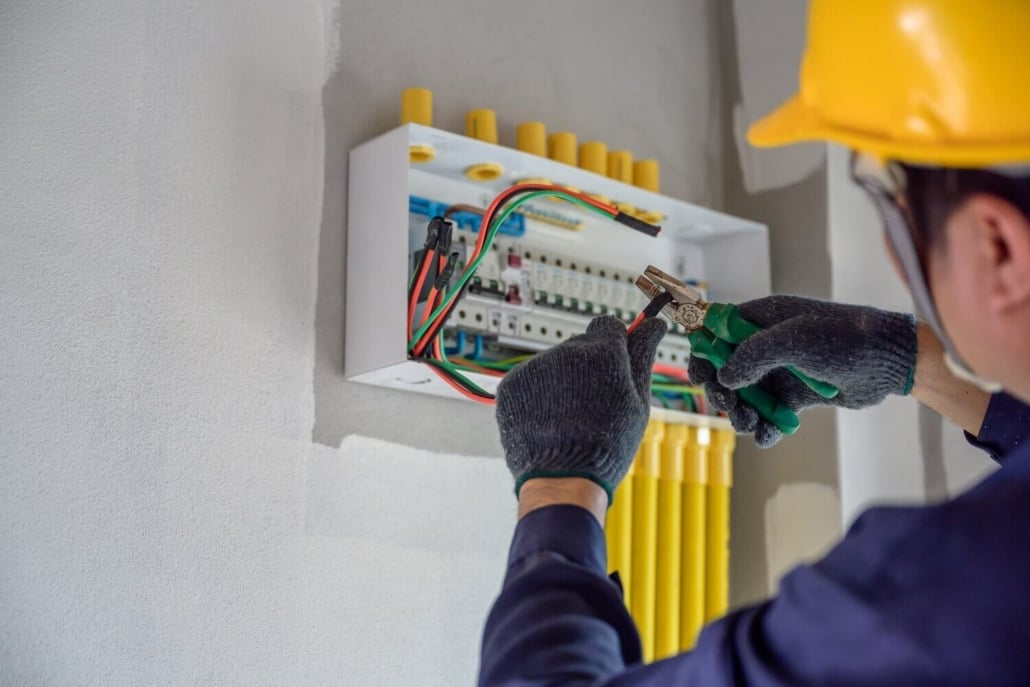
- Faulty wiring and overloaded outlets. Frayed cords, outlets near water, and overloaded power strips create ignition hazards that develop undetected.
- Fireplaces and heating appliances. Space heaters left on overnight, blocked flues, and radiators close to curtains rank among the leading causes of cold-season fire deaths.
- Barbecues and open flames. A grease flare on a wooden deck reaches the structure in under three minutes; guests who rarely grill skip the basic pre-use checks.
- Indoor smoking. Even at no-smoking properties, violations occur: a discarded cigarette near a wooden deck or open window is a recognized ignition source.
How to conduct a basic fire risk assessment
Walk through the property before each booking with three zones in mind: kitchen (range hood clean, no combustibles beside the stove), sleeping areas (smoke detectors mounted and unobstructed), and utility spaces (no exposed wiring, no overloaded power strips). Build these checks into your Airbnb cleaning checklist so they happen before every arrival.
Mandatory fire safety equipment
Airbnb’s hosting guidelines set a minimum: a smoke alarm, a CO detector, a fire extinguisher, and a posted evacuation route. Therefore, missing any puts the listing at risk of removal from search results.
- Smoke detectors. Specifically, install one on every floor, outside each sleeping area, and inside each bedroom. Interconnected models, where one triggers all units, are code-required in many jurisdictions. Replace any unit older than 10 years.
- Carbon monoxide alarms. CO is invisible and odorless; an alarm is the only detection method. Ontario’s 2026 Fire Code requires one on every level with a fuel-burning appliance, fireplace, or attached garage. In addition, combination smoke/CO units with CSA or UL 2034 certification cover both hazards from one device.
- Fire extinguishers. An ABC extinguisher rated 2A10BC handles combustibles, flammable liquids, and electrical fires. Mount one in the kitchen at a reachable height and a second near any fireplace. Also, check the gauge at every turnover, service annually, and replace units older than five to six years.
- Emergency lighting and first aid. Battery-operated pathway lights on corridors and stair edges let guests navigate during the power failures that often accompany fires. A stocked first aid kit handles minor injuries while emergency services arrive.
Read more about Essential Home Safety Gadgets for Airbnb.
Minimum equipment by property type
| Property type | Smoke detectors | CO alarms | Extinguishers |
| Studio or 1-bed flat | Per level plus sleeping area | 1 if gas appliances present | 1 in kitchen |
| 2 to 3-bed home | Every floor plus bedrooms | Every level with fuel appliance | Kitchen plus 1 additional |
| Cabin with fireplace | Every floor plus bedrooms | Every level | 2 minimum |
| Multi-unit property | Per unit independently | Per unit if applicable | Per unit and common areas |
Where to place detectors and extinguishers
A smoke detector above the stove triggers during normal cooking; guests disable it, leaving the property unprotected. Keep detectors at least 3 meters from any cooking appliance, on the ceiling or within 30 cm of it, and away from windows and air vents. CO alarms go on every level and outside each sleeping area; properties with fireplaces or shared-wall gas appliances benefit from a unit inside each bedroom. Position the kitchen extinguisher visibly from the room entrance at a 1 to 1.5 meter height; never inside a cupboard.
Preparing for emergency evacuation
Draw a floor plan showing every exterior exit and every ground-level window. Mark primary and secondary routes with arrows and post it on each bedroom door and near the main entrance.
Also, fit battery-powered night lights or glow-in-the-dark strips along exit routes. Check every exit door at each turnover and replace any key-operated interior deadbolt with a thumb-turn model.
What instructions to give guests
Your Airbnb house manual is where emergency procedures belong, backed by a card posted inside the property. Cover four specifics: what to do when an alarm sounds (leave immediately, close doors, call 911 from outside); the fire extinguisher location; where the evacuation plan is posted; and the full civic address for emergency dispatch. Your Airbnb house rules should add no-smoking, fire pit, and heater restrictions.
Kitchen fire safety
Clean the range hood filter and stovetop drip pans between every stay: accumulated grease is the accelerant in most cooking fires. Also, keep dish towels and paper items away from burners. For smooth-top electric ranges, post a laminated note reminding guests that elements stay hot after shutdown, since a package placed on a warm element is a common ignition trigger.
Fireplaces, stoves, and space heaters
Have the chimney professionally inspected before each heating season; creosote buildup is the primary cause of chimney fires. Post instructions beside the fireplace: how to open the damper, how to extinguish the fire before sleeping, and a 30-centimeter clearance rule for combustibles on the hearth. Finally, require space heaters to stay off in unoccupied rooms and at least one meter from any fabric surface.
Outdoor safety: barbecues, fire pits, and gas heaters
Check barbecue propane connections before each booking using soapy water on the regulator and hose; clean the grease trap and confirm the grill sits at least one meter from any structure. For fire pits, supply a sand bucket and require fires be fully extinguished before guests leave. Gas patio heaters need a pre-season inspection of the regulator and hose; keep them away from overhead structures.
Store propane cylinders upright in ventilated outdoor areas; keep paint, solvents, and gasoline locked away, and post a notice in any garage that flammable liquids must not be stored inside.
How often to inspect each item
| Item | Frequency |
| Smoke and CO alarm test | Every turnover |
| Extinguisher gauge check | Every turnover |
| Exit path and door check | Every turnover |
| Emergency lighting battery check | Every 3 months |
| Detector battery replacement | Every 12 months |
| Extinguisher professional service | Every 12 months |
| Smoke detector unit replacement | Every 10 years |
| Chimney inspection | Before heating season |
| BBQ and gas heater checks | Start of each season |
Common mistakes hosts make
- Skipping tests. A detector passes the test button while its sensor has degraded; 30 seconds per unit at every turnover is the only reliable check.
- Wrong placement. Detectors above stoves generate nuisance alarms that guests disable; detectors inside cupboards detect nothing.
- Expired extinguishers. In fact, the gauge reads green while the agent has separated. Service dates matter regardless of appearance.
- No guest instructions. An extinguisher under the sink is invisible in an emergency; guests need location awareness before the moment of need.
- Ignoring code changes. Ontario’s expanded CO requirements now in force since January 2026 changed obligations for thousands of hosts overnight. Review your local fire code each year.
Fire safety checklist for hosts
- Smoke detectors tested and functional on every level
- CO alarms tested and correctly positioned
- Fire extinguisher: green gauge, within service date
- Evacuation plan posted on each bedroom door
- Emergency lighting functional along exit routes
- First aid kit present and stocked
- All exit doors open freely from inside without a key
- Emergency numbers and full civic address posted visibly
- Range hood filter and drip pans clean
- Barbecue and gas heater: connections checked, grease trap clean
Investing in advanced safety systems
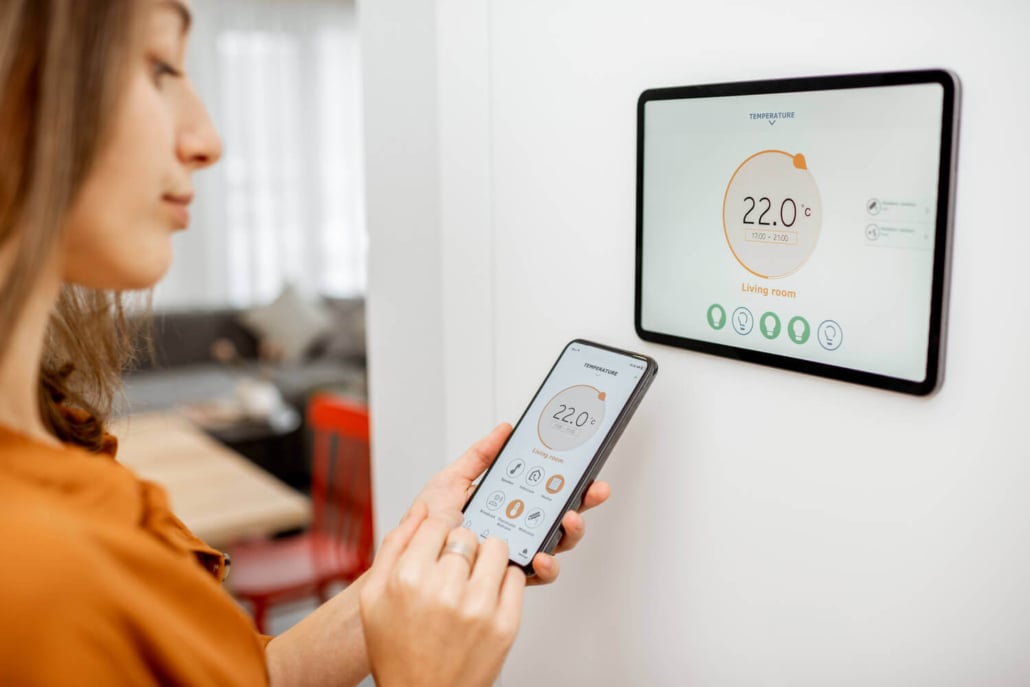
Smart smoke and CO detectors push alerts to your phone when an alarm activates, closing the response gap from hours to minutes. For example, connected units cost $50 to $120 each and integrate with most property management platforms. Professional central station monitoring goes further: an alarm triggers an automatic call to emergency services, and the system generates time-stamped audit logs that carry weight in insurance proceedings.
Review how Airbnb’s damage policy handles fire-related claims alongside what AirCover covers to identify where your own insurance must start.
Conclusion
Vacation rental fire safety is a maintenance discipline, not a one-time installation. Test at every turnover, inspect each season, replace on schedule, and brief every guest. Properties that treat it as an operational standard protect their guests, their income, and their reputation as hosts.