

The Best Australian Airbnb Markets
Key Takeaways
- Australia’s Airbnb potential depends on tourism strength, domestic travel, and guest preference for flexible, home-like stays over traditional hotel accommodation.
- Profitability assessment relies on hard metrics: nights booked, occupancy, ADR, monthly revenue, and year-over-year growth across comparable Australian cities.
- Most markets favor compact 1–2 bedroom city units and 2–4 bedroom houses in coastal or regional areas for balanced returns.
- Regulation, including levies, registration, night caps, and zoning rules, directly shapes risk, so every investment requires location-specific legal due diligence.
- Combining high-demand cities with coastal and regional markets that peak in different seasons helps smooth cash flow and stabilise long-term portfolio performance.
Introduction
The Australian Airbnb landscape offers investors a wide range of high-potential opportunities. The Airbnb market in Australia has expanded steadily over the past decade, supported by robust tourism, strong domestic travel, and growing interest in flexible accommodation. Because travelers look for unique local experiences, short-term rentals now play a major role in the hospitality sector. As a result, investors can explore high-yield options across coastal hubs, capital cities, and scenic regional towns.
What Makes the Australian Market Promising for Airbnb
Australia’s stable economy and strong standard of living support a healthy vacation rental ecosystem. Domestic tourism remains a powerful demand driver, while ongoing investment in transport, airports, and events strengthens international visibility. Guests often choose Airbnb because it offers space, convenience, and authentic neighbourhood experiences.
Moreover, Australia’s geographic diversity spreads travel demand throughout the year. Some destinations peak in summer, while others thrive during winter festivals or whale-watching season. This seasonal balance helps well-managed portfolios achieve higher occupancy and revenue. Additionally, the rise of remote work has increased long-stay bookings in scenic regions once considered secondary markets.
Methodology for Evaluating Australian Cities for Airbnb Investments
Evaluating the Airbnb market in Australia works best when you rely on clear, comparable data. First, look at occupancy and booked nights to see whether demand is steady year-round or only during short peak seasons. Next, review the Average Daily Rate (ADR) and typical monthly revenue, then subtract realistic costs such as cleaning, maintenance, utilities, and management to estimate net income.
You should also check capital growth and how property values are trending in each neighbourhood. Strong growth can add long-term upside to your rental strategy. Finally, assess the local tourism ecosystem: airports, transport, beaches, events, and attractions, plus how the market performs in quieter months.
Take into account that the city list in this guide is not exhaustive or a direct purchase recommendation. It is a curated starting point for your own financial and regulatory due diligence.
Best Cities for Airbnb Investment in Australia
Below are leading destinations chosen for their mix of demand, profitability potential, and strong destination recognition.
| City / Region | Booked Nights / Occupancy | ADR | Avg. Monthly Revenue | YoY Change | Listings & Property Types |
| Melbourne | 248 nights / 68% | AU$224 | AU$4,620 | +5.46% | 20,000+; mostly 1–2 bedroom units |
| Sydney | 285 nights / 78% | AU$258 | AU$5,926 | +13.82% | 12,527; mainly 1–2 bedroom units |
| Gold Coast | 292 nights / 80% | AU$316 | AU$7,259 | +3.42% | 6,261; mainly 2-bedroom units |
| Brisbane | 296 nights / 81% | AU$212 | AU$5,006 | +15.68% | 5,651; mostly 1–2 bedroom units |
| Perth | 310 nights / 85% | AU$215 | AU$5,362 | +15.67% | 5,396; mostly 1–2 bedroom units |
| Sunshine Coast | 266 nights / 73% | AU$348 | AU$7,476 | +2.15% | 4,876; mostly 2–3 bedroom homes |
| Adelaide | 259 nights / 71% | AU$237 | AU$5,020 | +7.94% | 3,961; mostly 1–2 bedroom units |
| Surfers Paradise | 303 nights / 83% | AU$322 | AU$7,565 | +0.3% | 2,671; common types: 1–2 bedroom units |
| Augusta – Margaret River – Busselton | 259 nights / 71% | AU$361 | AU$7,592 | +7.73% | 2,527; mostly 2–4 bedroom houses |
| Ipswich Hinterland | 237 nights / 65% | AU$270 | AU$5,186 | +21.99% | 205; mostly 1–3 bedroom homes |
| Fraser Coast | 266 nights / 73% | AU$243 | AU$5,201 | +20.28% | 627; mostly 1–3 bedroom homes |
Melbourne
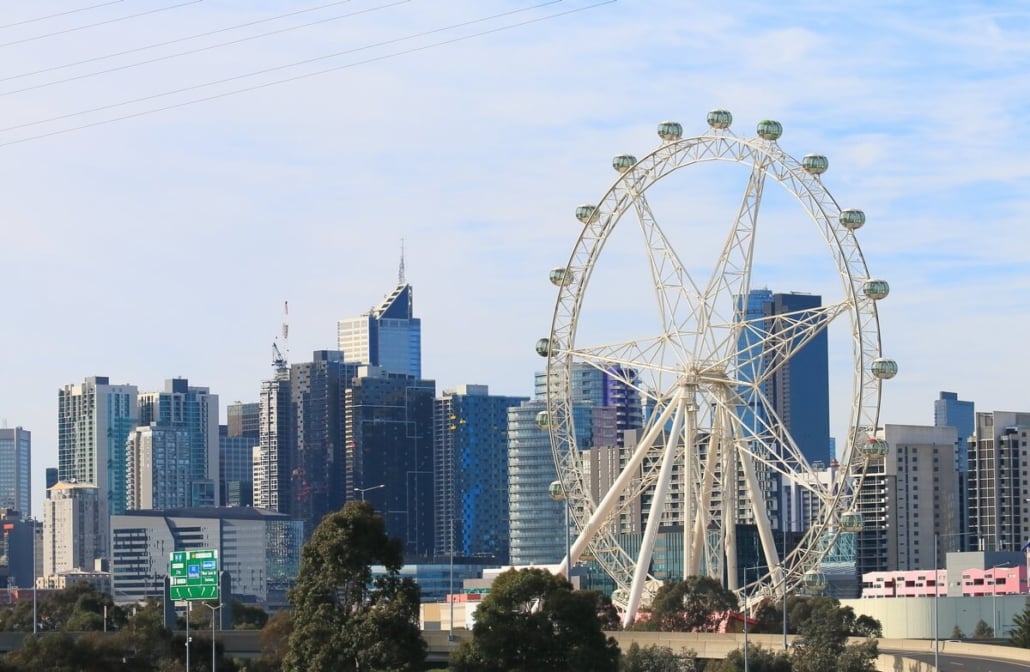
Melbourne is one of the strongest performers in the Australian Airbnb market, with constant demand driven by culture, sport, and events like the Australian Open and Grand Prix. Top areas include Bayside, Melbourne City, Port Phillip, Stonnington (East/West), Healesville, and the Yarra Ranges.
- Booked nights per year: 248
- Occupancy rate: 68%
- ADR: AU$224
- Average monthly revenue: AU$4,620
- YoY revenue change: +5.46%
- Most profitable month: October
- Listings: 20,000+, mostly 1–2 bedroom units
Regulations tighten in 2025 with a 7.5% levy, STRA registration, and stricter safety rules.
- Benefits: high mixed demand; strong event-driven pricing
- Risks: high entry costs; heavy competition
Sydney
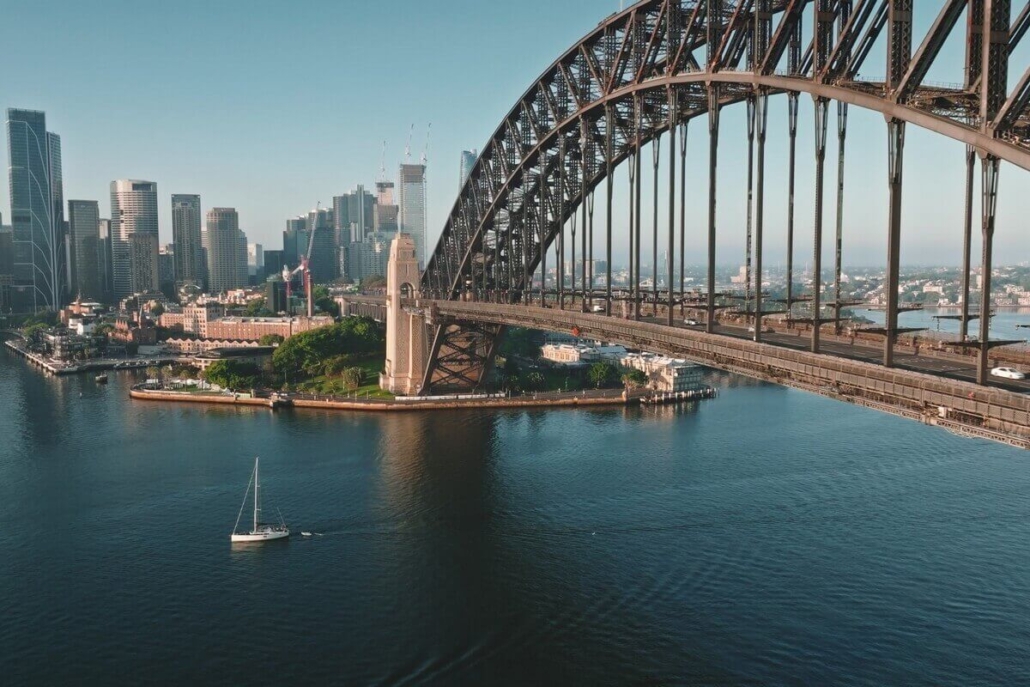
Sydney is one of the highest-earning Australian Airbnb markets, powered by global tourism, iconic attractions, and a strong corporate segment. Prime areas include Pittwater, Eastern Suburbs North, Manly, Darlinghurst, Redfern, and Fairlight.
- Booked nights per year: 285
- Occupancy rate: 78%
- ADR: AU$258
- Average monthly revenue: AU$5,926
- YoY revenue change: +13.82%
- Most profitable month: October
- Listings: 12,527, mainly 1–2 bedroom units
Sydney enforces strict rules: STRA registration, a 180-night cap for unhosted stays, and strong safety and conduct standards.
- Benefits: top ADR potential; steady global demand
- Risks: strict caps; high purchase prices
Gold Coast
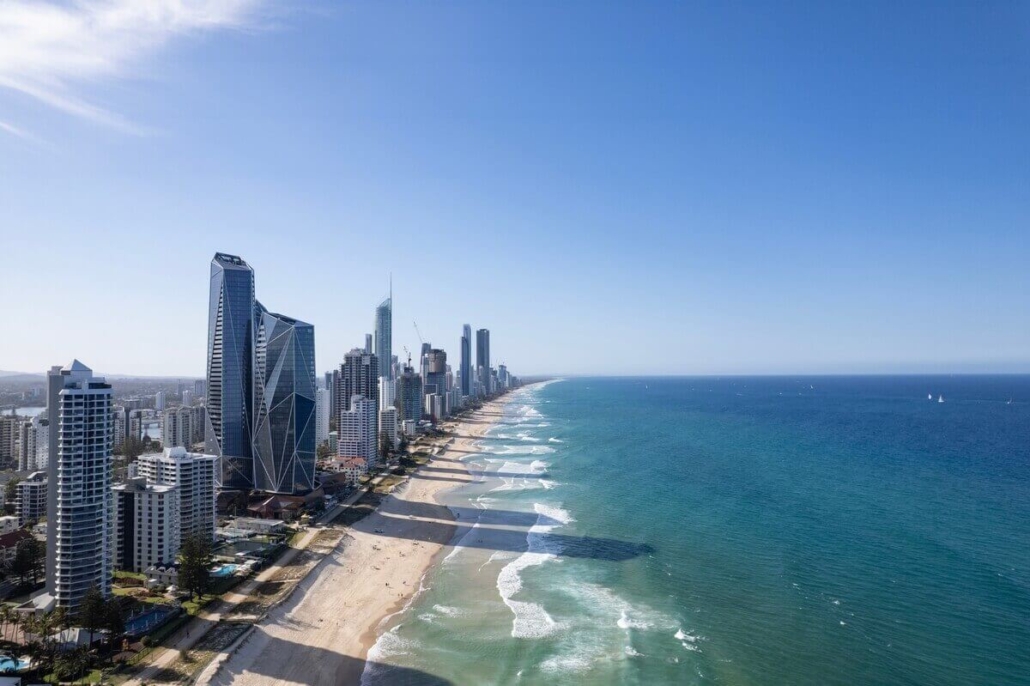
The Gold Coast is a high-performing Australian Airbnb market driven by beaches, theme parks, and family tourism. Demand is very seasonal but peaks are strong, especially in Broadbeach–Burleigh, Coolangatta, Burleigh Heads, Mudgeeraba–Tallebudgera, Southport, and Gold Coast North.
- Booked nights per year: 292
- Occupancy rate: 80%
- ADR: AU$316
- Average monthly revenue: AU$7,259
- YoY revenue change: +3.42%
- Most profitable month: October
- Listings: 6,261, mainly 2-bedroom units
Regulation is relatively lenient but requires council zoning checks, STRA-style registration, possible body corporate approval, and full safety compliance.
- Benefits: strong leisure demand; high ADR in beachfront areas
- Risks: heavy seasonality; coastal wear-and-tear; potential building-level bans
Brisbane
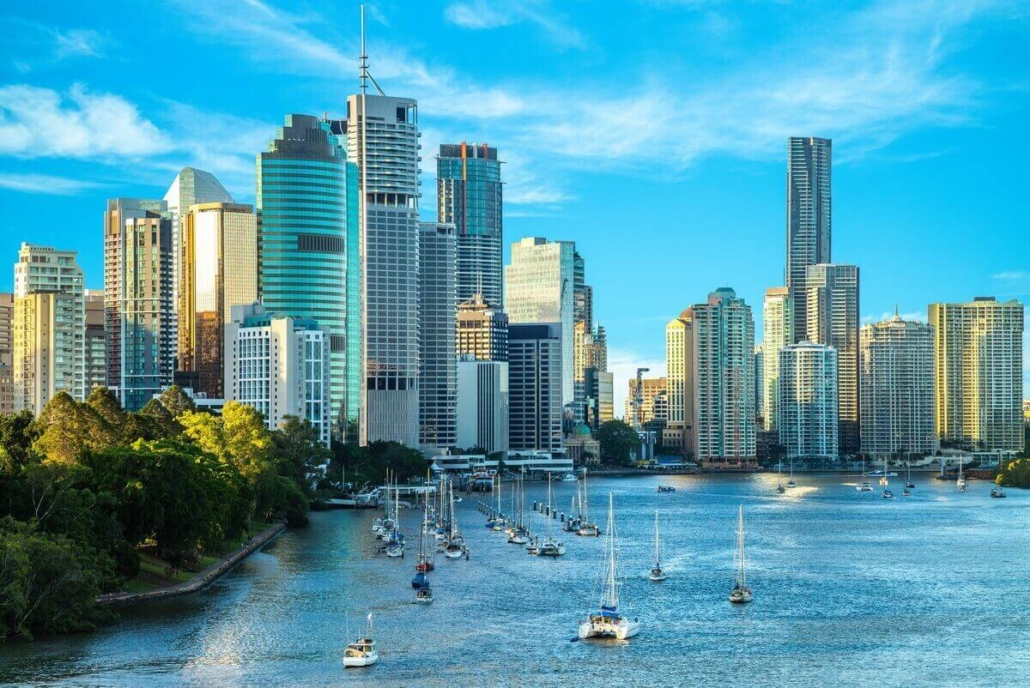
Brisbane is a fast-growing Australian Airbnb market with strong domestic tourism, business travel, and major event activity. Demand is solid across central districts, with top areas including Brisbane Inner, Inner North, Inner West, Ormeau–Oxenford, Inner East, and Jimboomba.
- Booked nights per year: 296
- Occupancy rate: 81%
- ADR: AU$212
- Average monthly revenue: AU$5,006
- YoY revenue change: +15.68%
- Most profitable month: October
- Listings: 5,651, mostly 1–2 bedroom units
Regulation is tightening, requiring Brisbane City Council approval, potential development approval, body corporate consent, and stricter zoning and planning rules.
- Benefits: strong year-round demand; high occupancy; rapid YoY growth
- Risks: growing regulatory pressure; stricter zoning in outer suburbs
Perth
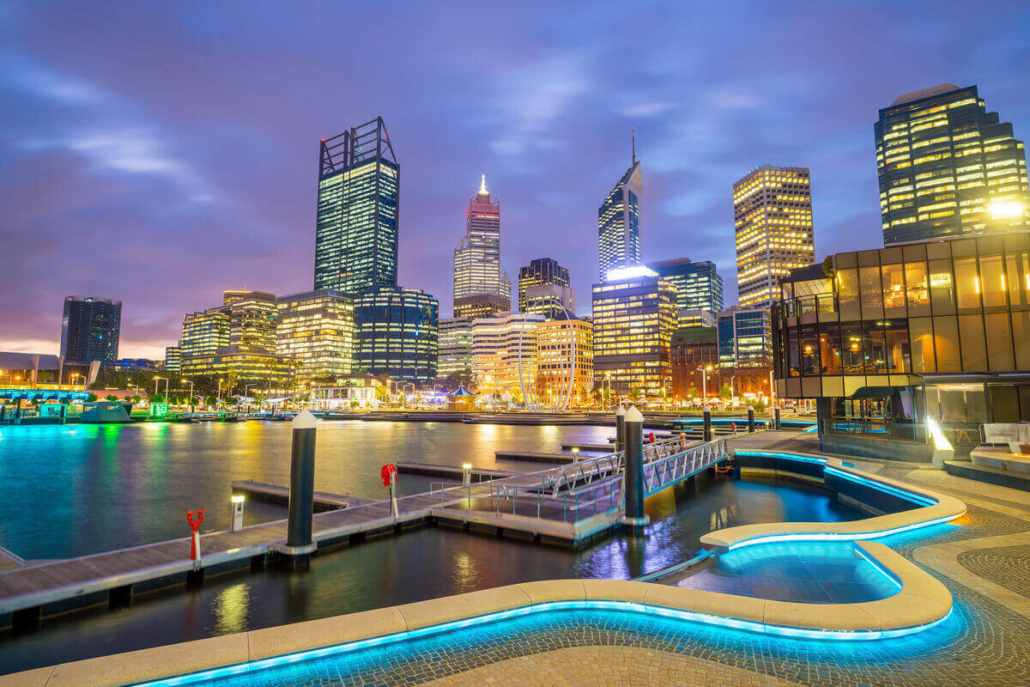
Perth is a fast-rising Australian Airbnb market supported by strong domestic tourism, outdoor recreation, and growing international arrivals. High-performing areas include Cottesloe–Claremont, Stirling, Mandurah, Perth City, and Serpentine–Jarrahdale, each offering different demand patterns.
- Booked nights per year: 310
- Occupancy rate: 85%
- ADR: AU$215
- Average monthly revenue: AU$5,362
- YoY revenue change: +15.67%
- Most profitable month: October
- Listings: 5,396, mostly 1–2 bedroom units
Perth has strict STRA rules: mandatory registration, a 90-night cap for unhosted metro properties, and development approval for exceeding limits.
- Benefits: strong occupancy; steady domestic tourism; high growth
- Risks: strict night caps; council-dependent rules; limited unhosted flexibility
Sunshine Coast
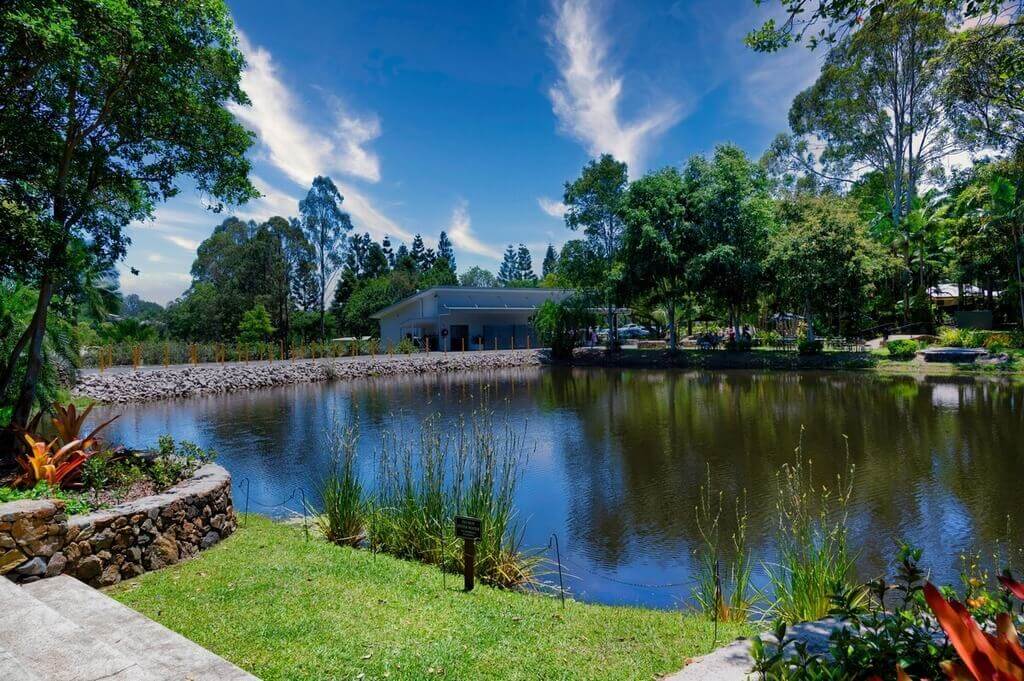
The Sunshine Coast is a premium Australian Airbnb market with strong holiday demand, driven by beaches, national parks, and family travel. Top-performing areas include Noosa, Caloundra, Maroochy, and Buderim, each attracting guests seeking upscale stays and nature access.
- Booked nights per year: 266
- Occupancy rate: 73%
- ADR: AU$348
- Average monthly revenue: AU$7,476
- YoY revenue change: +2.15%
- Most profitable month: October
- Listings: 4,876, mostly 2–3 bedroom homes
Regulations are strict, often requiring Development Approval or Material Change of Use, with zoning and property age affecting eligibility.
- Benefits: high ADR; strong family tourism; premium coastal demand
- Risks: complex zoning rules; DA/MCU delays; tighter scrutiny for newer homes
Adelaide
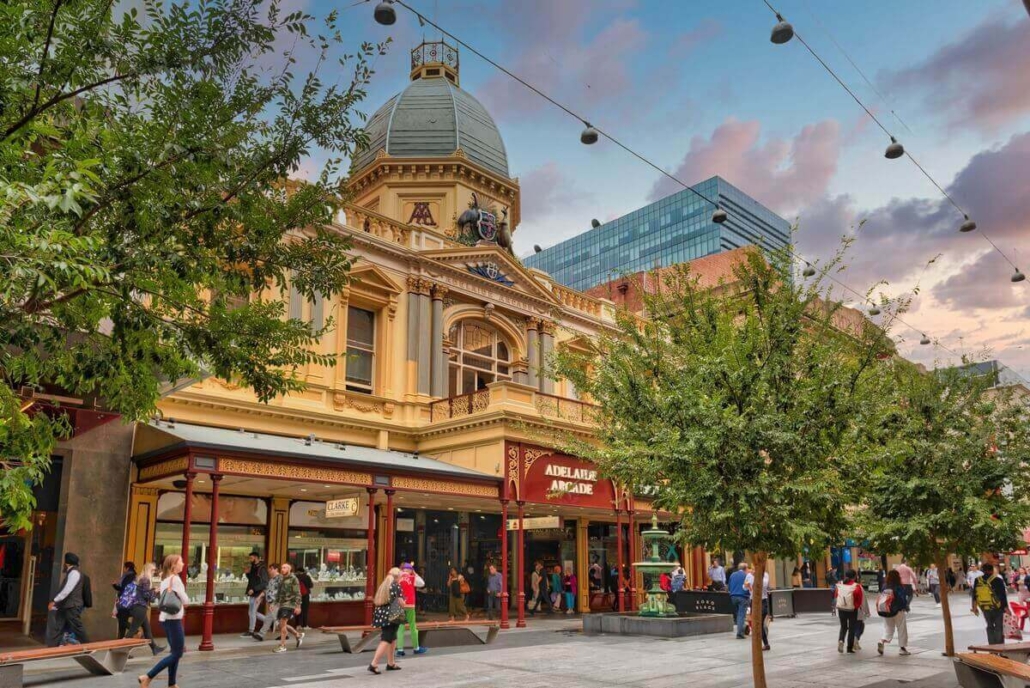
Adelaide offers steady demand driven by festivals, wine tourism, and business travel, making it a reliable Australian Airbnb market. Top-performing areas include Glenelg, Onkaparinga, Burnside, Charles Sturt, Adelaide City, and Holdfast Bay, all attracting different guest segments.
- Booked nights per year: 259
- Occupancy rate: 71%
- ADR: AU$237
- Average monthly revenue: AU$5,020
- YoY revenue change: +7.94%
- Most profitable month: October
- Listings: 3,961, mostly 1–2 bedroom units
Adelaide has no statewide STR registration, but hosts must follow local council rules, fire-safety codes, tax obligations, and possible planning permits.
- Benefits: diverse tourism; moderate ADR; stable performance
- Risks: council-specific rules; evolving regulations; permit requirements in some areas
Surfers Paradise
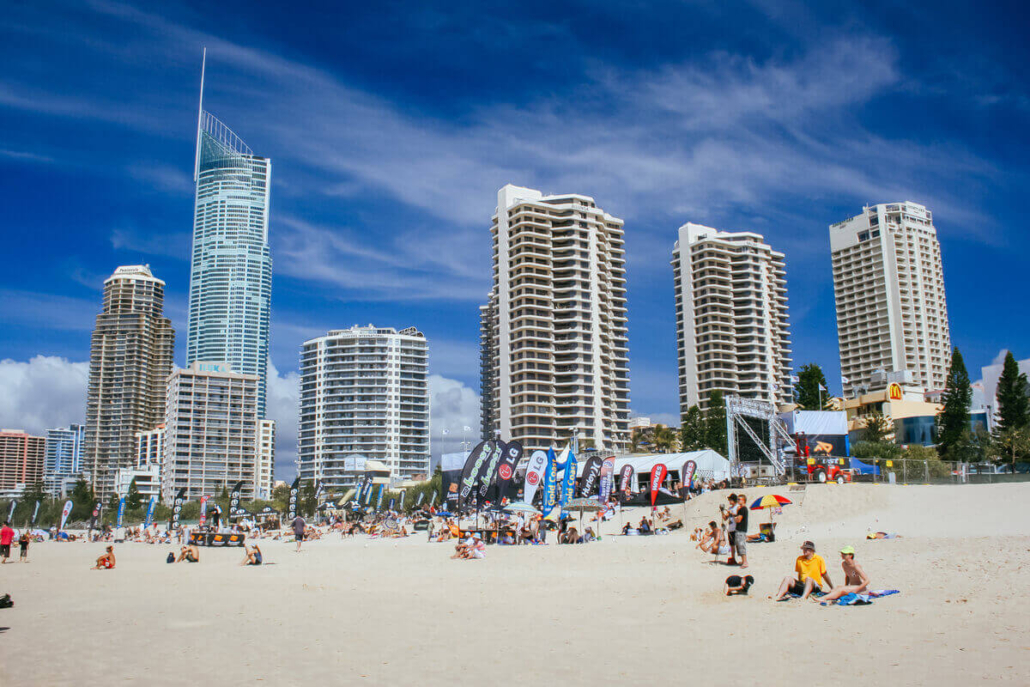
Surfers Paradise is one of Queensland’s strongest Airbnb markets, driven by beach tourism, nightlife, and consistent year-round demand. Popular investment pockets include Chevron Island, Paradise Island, Northcliffe, and Broadbeach borders.
- Booked nights per year: 303
- Occupancy rate: 83%
- ADR: AU$322
- Average monthly revenue: AU$7,565
- YoY change: 0.3%
- Most profitable month: December
- Listings: 2,671
- Common property types: 1–2 bedroom units
Rules follow Queensland’s STRA system, requiring state registration, council approval for some properties, safety compliance, and strata permissions.
- Benefits: high occupancy; strong tourism
- Risks: regulatory tightening; strata restrictions
Augusta – Margaret River – Busselton
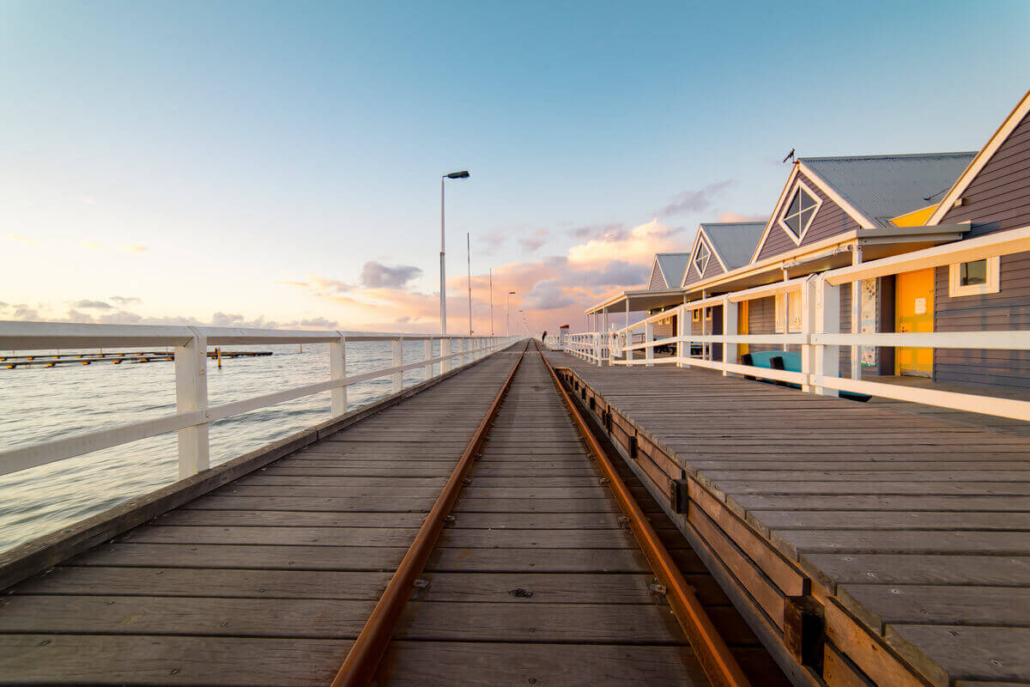
This region is a premium Airbnb destination supported by wine tourism, national parks, and coastal travel. High-performing suburbs include Dunsborough, Margaret River, Busselton, Cowaramup, and Augusta.
- Booked nights per year: 259
- Occupancy rate: 71%
- ADR: AU$361
- Average monthly revenue: AU$7,592
- YoY revenue change: 7.73%
- Most profitable month: January
- Listings: 2,527, mostly 2- to 4-bedroom houses
WA requires mandatory STRA registration by 2025, and Busselton enforces bans on new unhosted stays in priority zones.
- Benefits: strong year-round tourism, high revenue
- Risks: strict council rules, approval needs for longer stays
Ipswich Hinterland

Ipswich Hinterland is a small but fast-growing Airbnb market with strong demand from nature travelers, wedding groups, and rural retreats. The top-performing areas are Tarome and Tallegalla, both known for spacious homes and scenic stays.
- Booked nights per year: 237
- Occupancy rate: 65%
- ADR: AU$270
- Average monthly revenue: AU$5,186
- YoY revenue change: 21.99%
- Most profitable month: August
- Listings: 205, mostly 1–3 bedroom homes
Local rules require council approval, zoning compliance, and adherence to fire-safety and strata regulations. Hosts must follow Ipswich City Council planning rules based on property use.
- Benefits: rapid revenue growth; low competition
- Risks: strict local zoning; approval requirements
Fraser Coast
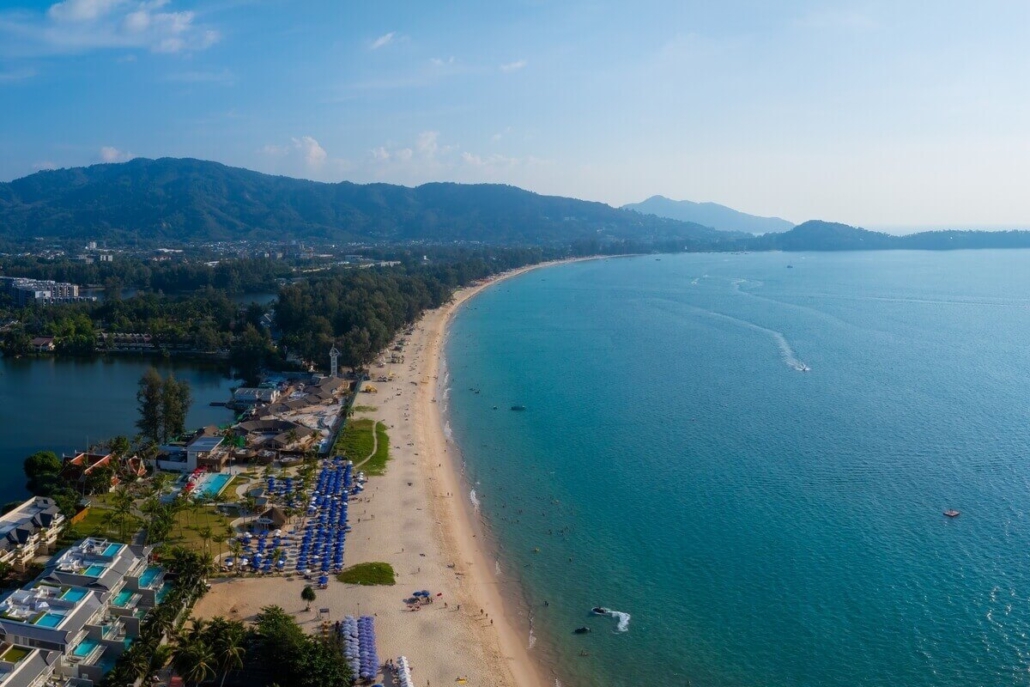
Fraser Coast continues to attract strong tourism thanks to Hervey Bay, K’gari (Fraser Island) easy access, and family holiday demand. Top-performing suburbs include 5R7M27J9+77, Tinana South, and Hervey Bay, each offering solid occupancy and competitive ADRs.
- Booked nights per year: 266
- Occupancy rate: 73%
- ADR: AU$243
- Average monthly revenue: AU$5,201
- YoY revenue change: 20.28%
- Most profitable month: August
- Listings: 627, mostly 1–3 bedroom homes
Hosts need council licensing, must meet Queensland safety standards, and follow local zoning and planning rules. Income taxation and proper insurance are also required.
- Benefits: strong seasonal demand; high revenue growth
- Risks: licensing requirements; zoning limits in some areas
Conclusion: Navigating the Australian Airbnb Opportunity
The Airbnb market in Australia continues to offer investors strong income potential across diverse regions. Markets like Sydney and Melbourne deliver global visibility, while destinations such as the Gold Coast, Noosa, and Margaret River offer lifestyle-driven demand and high seasonal pricing. Building a resilient portfolio requires attention to regulation, property type, guest preferences, and local trends. When investors combine strategic location choice with high-quality hosting and professional management, the Australian Airbnb sector can deliver consistent, long-term returns.
FAQ
1. How do I know if the Airbnb market is profitable in a particular city?
You know a market is potentially profitable when booked nights, occupancy rate, ADR, and average monthly revenue are all consistently strong. Start by checking these indicators on short-term rental analytics platforms for at least 12 months of data. Then review year-over-year trends, local tourism statistics, and council plans. Finally, compare potential income with costs such as mortgage, utilities, cleaning, maintenance, taxes, and management fees.
2. What types of property generate the highest returns in Australia?
In Australia, 1–2 bedroom apartments in major cities and 2–3 bedroom houses in coastal or regional holiday areas tend to generate the highest returns. These formats suit the most common guest profiles and offer a good balance of occupancy and ADR. However, performance still depends on location, building rules, parking, amenities, and how well the listing is presented, priced, and managed over time.
3. How does seasonality affect Airbnb income?
Seasonality affects income by changing both occupancy and pricing throughout the year. Coastal and holiday destinations usually earn most of their revenue during summer and school holidays, while cities with strong events or business travel may be more balanced. In low season, nights booked and ADR typically drop. Investors usually plan for this by budgeting conservatively, adjusting prices, and promoting longer stays or discounts in quieter months.
4. Is it safe to invest in the Australian Airbnb market given regulations?
It can be relatively safe to invest if you fully understand and follow federal, state, and local regulations. Each state and council may apply different rules, such as registration schemes, night caps, planning approvals, and fire-safety standards. Before buying, you should review zoning, strata bylaws, and any proposed changes. This reduces the risk of unexpected restrictions that could affect your ability to operate or limit your income.
4. Can I make money on Airbnb in Australia without buying property?
Yes, you can earn income without owning property through rental arbitrage or short-term rental management, if everything complies with local laws. Rental arbitrage requires a formal agreement with the owner and clear permission to host. Management models involve running listings, cleaning, guest communication, and pricing on behalf of owners for a fee. In both cases, you must meet STRA registration, safety, and insurance requirements where they apply.