
Investing in Holiday Homes in Dubai
Dubai is one of the most exciting places to invest in real estate. Buyers from around the world are drawn to the rising demand for holiday homes in Dubai. With year-round sunshine, top-notch infrastructure, and a strong tourism industry, it’s no surprise why interest keeps growing.
But before you invest your money, it’s important to do your research. You need to understand the local laws, market conditions, and hidden costs. Skipping these steps can lead to expensive mistakes. This guide will walk you through everything you need to know before buying a holiday home in Dubai.
What Are Holiday Homes in Dubai?

Holiday homes are fully furnished apartments or villas that are rented to tourists for short stays. These homes are usually found in popular areas like Dubai Marina, Palm Jumeirah, and Downtown Dubai. Guests can stay for just one night or for several weeks.
Unlike long-term rentals, holiday homes in Dubai offer the chance to earn more money, especially during peak travel seasons. But they also require more effort. You’ll need to handle guest bookings, cleaning, repairs, and customer service.
That’s why many owners hire licensed Airbnb property management companies. These firms take care of the day-to-day work while you focus on your returns.
Holiday homes also give you flexibility. You can block out certain dates for your own use. Plus, you can change the nightly price based on demand. This dynamic pricing model is one reason so many people choose short-term rentals in Dubai.
Explore Starting an Airbnb Business in Dubai: A Comprehensive Guide.
Short-Term Rental Rules in Dubai
Before you buy, it’s vital to understand the rules for short-term rentals. In Dubai, the Department of Economy and Tourism (DET) manages the licensing system. To rent out your holiday home, you must apply for a DET permit through the official Holiday Homes portal.
This rule applies even if you use platforms like Airbnb or Booking.com. Renting without a license is illegal and can lead to big fines. The good news? Dubai’s process is simple and supports investors, if you follow the steps, of course.
Your property must also meet health, safety, and quality standards. DET may inspect it to check compliance. You’ll also need to keep records of guest stays and make sure the home is cleaned regularly.
These rules protect both the guests and Dubai’s image as a luxury destination. Following them ensures your rental is legal, safe, and appealing to visitors.
Freehold Areas for Foreign Investors

Not all areas in Dubai are open to foreign buyers. However, some zones are marked as “freehold.” These include Dubai Marina, Downtown Dubai, Business Bay, and Jumeirah Village Circle (JVC).
If you’re not a UAE citizen, you must choose a property in a freehold zone. This gives you full ownership rights. You can also legally rent your unit as a holiday home.
Some areas are more friendly to short-term rentals than others. Places close to beaches, malls, or major attractions often perform better. Some buildings also have homeowner associations (HOAs) that set their own rules. While some HOAs allow short-term rentals, others do not.
Before buying, check the local zoning rules and HOA policies. It’s a good idea to speak with a real estate expert who knows the Dubai market.
Choosing the Best Location for Holiday Homes in Dubai
Location is one of the biggest factors in your success. Properties near beaches, shopping centers, metro stations, or tourist spots usually get more bookings. Guests want comfort, convenience, and quick access to fun.
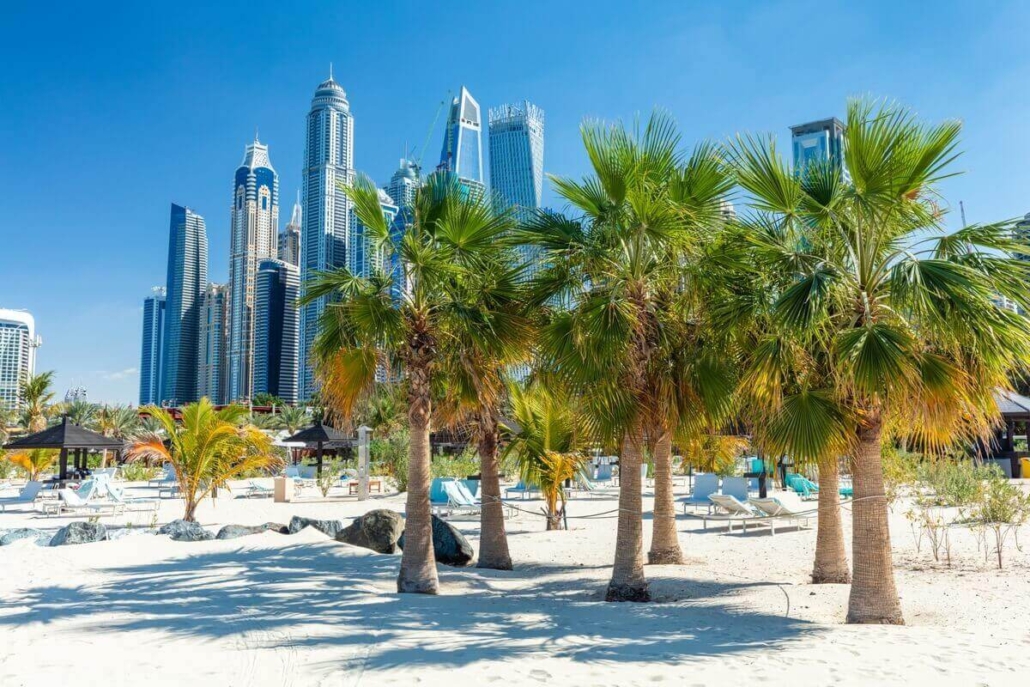
Palm Jumeirah and Dubai Marina are top picks. These areas attract high-paying guests and offer better income potential.
Before you choose an area, study occupancy rates, average rental prices, and seasonal trends. You can use tools like AirDNA or Property Finder to compare performance across neighborhoods.
You might also look into new areas like Dubai Hills Estate or Dubai Creek Harbour. These places offer growth potential and may gain value over time. Being close to the airport, metro lines, or business districts can also improve your rental’s appeal.
Expected Return on Investment (ROI)
Holiday homes in Dubai can bring in strong returns. Most investors earn between 5% and 10% a year, depending on location and how the property is managed. During big events or the winter travel season, returns often go up.
However, your ROI depends on several things: how well your place is furnished, cleaned, marketed, and priced. Homes managed by professionals tend to do better than those handled by owners alone.
A well-placed and highly rated home can stay occupied 70% to 85% of the year. Less appealing homes may stay empty more often. Be sure to include costs like repairs, slow months, and marketing fees in your budget. This helps you set realistic income goals and avoid surprises.
Licensing and Operating Costs
Running a holiday home in Dubai involves specific costs. You’ll need to budget for:
- DET license fees (paid each year)
- Tourism Dirham tax (paid by guests per night)
- Utility bills (electricity, water, internet)
- Cleaning and maintenance
- Furniture and decor
You’ll also need extra items like smart locks, home insurance, and high-quality photos. If you hire a property manager, add their fee to your costs. Booking platforms like Airbnb also take a cut.
By planning ahead, you can avoid unexpected costs. This will help you calculate your break-even point and track your profits better.
Should You Manage It Yourself or Hire a Pro?

Managing a holiday home takes time and effort. You’ll need to answer guest messages, clean after each stay, and handle check-ins. If you live abroad or have a full-time job, this can be tough.
Many investors choose licensed property managers in Dubai. These companies handle everything from listings and guest support to maintenance and compliance. They usually charge 15% to 25% of the rental income.
While that might sound high, many owners find it’s worth the money. A professional manager can boost your occupancy and guest ratings. They also use smart tools to adjust prices and attract more bookings.
The right option depends on how involved you want to be and how much time you can give.
Taxation and Financial Planning
Dubai is known for its tax-friendly policies. There is no personal income tax or property tax. However, you still need to pay the tourism tax and yearly license fees.
If you’re a foreign investor, check how your home country handles overseas income. You may have to report earnings from your Dubai holiday home when filing taxes at home.
It’s smart to talk to a tax advisor who understands both local and international laws. Also, keep detailed records of your income and expenses. This will help with tax filings and give you a clear picture of your profits.
Tracking your costs also helps you find ways to save. For example, you might switch to energy-efficient appliances or bundle services to cut bills. A strong financial plan also helps you prepare for repairs or changes in rental rules.
Tax on Airbnb Income in Dubai: 2025 The Definitive Guide
Legal Rules and Compliance
Following the law is essential when renting out holiday homes in Dubai. First, you must get a license from the Department of Economy and Tourism (DET). You must renew this license every year.
Your home must meet safety and cleanliness rules. The DET may inspect it to ensure it meets all standards. If you break the rules or operate without a license, you could face large fines.
Some buildings also have their own rules. Check with the building’s homeowners association (HOA) to confirm that short-term rentals are allowed.
To stay safe, consider adding guest liability coverage to your insurance. You should also create clear rental agreements and ask a legal expert to review them. Following these steps protects both you and your guests.
Furnishing and Setting Up Your Holiday Home
Guests expect comfort and style. To make a good impression, furnish your home with:
- Soft, clean bedding
- Kitchen tools and appliances
- Fast Wi-Fi and streaming options
- Towels and bathroom supplies
- Modern, attractive decor
A well-styled space helps you stand out. Use bright, high-quality photos in your listings to attract bookings. You may also want to hire a professional stager to set up your home.
Extra features can boost your appeal. Smart locks, remote-controlled lights, and digital thermostats are popular with travelers. Eco-friendly options like LED lights and refillable toiletries can also impress guests.
How to Market Your Holiday Home in Dubai
A great property needs great marketing. Just listing it on Airbnb or Booking.com isn’t enough.
To attract guests, make sure your listing includes:
- High-resolution photos
- A catchy, clear title
- Honest and detailed descriptions
- Competitive pricing
- Fast replies to guest questions
Social media ads, Google listings, and influencer promotions can also help. A strong online presence is key to standing out in the competitive short-term rentals Dubai market.
To keep guests coming back, offer referral discounts or special rates for repeat stays. Email updates, special deals during slow seasons, and positive guest reviews all help build trust and drive bookings.
Учздщку Airbnb SEO and Listing Management in Dubai with MasterHost.
Seasonality and Booking Trends
Dubai’s tourism follows the seasons. The busiest months are from November to April, when the weather is cooler. Summer (June to August) sees fewer tourists due to the heat.
To earn more, adjust your prices based on demand. Raise rates during peak months. Offer discounts and flexible stay lengths during quiet periods.
You might also consider long-term bookings during slow seasons to reduce vacancy. Watching trends helps you plan better. Over time, tracking things like booking lead times and cancellation rates can improve your pricing and stay rules.
Exit Strategy and Resale Options
Smart investors plan ahead. While you may want to earn income now, it’s good to have a backup plan.
Consider how easy it will be to sell your holiday home in the future. Homes in popular areas like Downtown Dubai or Palm Jumeirah usually keep their value well.
You can also switch your short-term rental to a long-term lease if laws change. Or sell the home as a fully furnished rental to another investor. Planning your exit ensures you stay flexible and ready for market shifts.
Risks and How to Reduce Them

All investments have risks. For holiday homes, the main ones are:
- Changes in laws
- Too many listings (market saturation)
- Negative guest reviews
- Damage to property
- Vacancies during off-season
You can reduce these risks by choosing the right location and hiring a good property manager. Keep your home clean and updated. Always respond quickly to guests.
Also, get short-term rental insurance. It can cover damage or accidents. Build a small emergency fund to handle repairs or low-income months. Staying professional helps protect your investment over time.
The Future of Holiday Homes in Dubai
Dubai’s future looks bright for real estate and tourism. The city is growing fast, with new events, improved transport, and a global reputation for luxury.
The government supports tourism and short-term rentals. That means more guests and more earnings for property owners.
Still, stay informed. Keep up with new rules and market changes. If Dubai focuses more on smart tech and eco-living, homes that support those trends will do better.
Think about adding features like solar panels or smart energy use. These can help your property stay attractive and future-proof your investment.
Conclusion
Investing in holiday homes Dubai can be a smart move but only if you plan carefully. Learn the rules, choose the right location, and stay within your budget. Hire professionals if needed, and keep your property well-managed.
With the right steps, your holiday home Dubai can offer steady income, long-term growth, and even personal use. Dubai remains one of the best places in the world for short-term rental investments.