


Starting an Airbnb Business in Dubai: A Comprehensive Guide
Introduction: The Gold Rush in the Golden City
Dubai, a city synonymous with ambition, architectural marvels, and unparalleled luxury, has long been a titan of global tourism. Its ever-expanding skyline is matched only by the growth of its visitor numbers. In this thriving landscape, a modern-day gold rush is taking place, not in the souks, but within the residential towers and villa communities. The prize? A successful short-term rental business, with Airbnb as the primary vehicle.
As of June 2025, the opportunity to start an Airbnb business in Dubai is more structured, competitive, and potentially lucrative than ever before. For savvy entrepreneurs, investors, and even homeowners, the city’s dynamic market offers a compelling proposition. However, success is not a matter of simply listing a spare room. It requires a deep understanding of a sophisticated market, strict adherence to government regulations, and a commitment to providing five-star guest experiences.
This comprehensive guide will serve as your blueprint for navigating the exciting world of short-term rentals in Dubai. We will delve into the market dynamics, unpack the legal framework, provide a step-by-step launch plan, and explore the financial realities, all supported by verified data.
You can also explore How to Start an Airbnb Business in Abu Dhabi.
Understanding Dubai’s Tourism Juggernaut
To grasp the potential of an Airbnb business, one must first appreciate the scale of its fuel source: Dubai’s tourism industry. The city’s post-pandemic recovery has been nothing short of spectacular, solidifying its status as a premier global destination for leisure, business, and events.
The government’s visionary Dubai Economic Agenda ‘D33’ aims to double the size of the city’s economy by 2033, with tourism playing a pivotal role. This initiative is channeling massive investment into infrastructure, new attractions, and global marketing campaigns, creating a powerful and sustained demand for visitor accommodation.
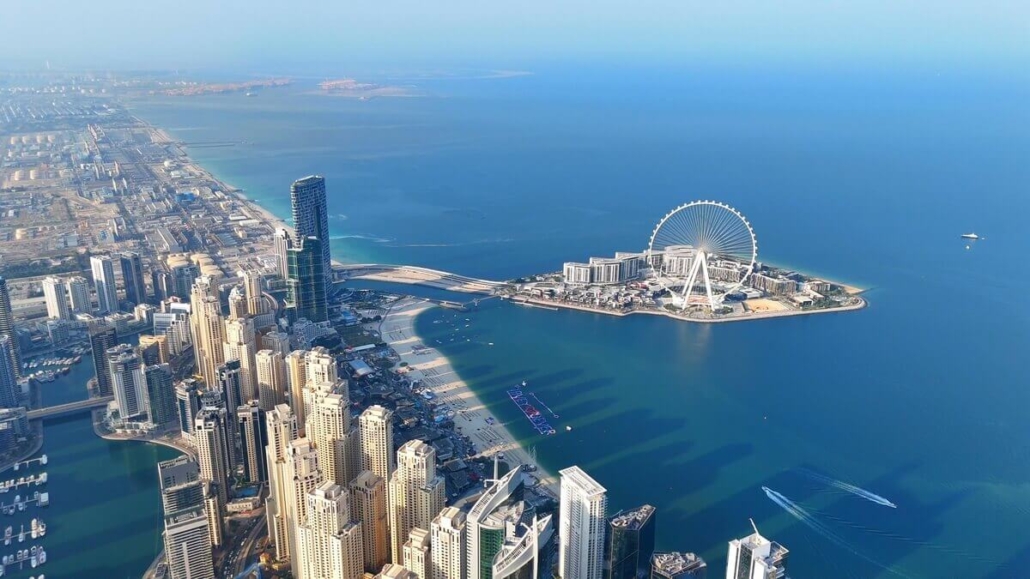
Verified Statistics (Projections for 2025):
- International Visitors: After welcoming a record-breaking 17.15 million overnight visitors in 2023, Dubai’s growth trajectory continues. Projections for 2025 suggest the city is on track to attract over 20 million international tourists, driven by new flight routes and a packed calendar of international events.
- Economic Contribution: The tourism sector’s direct contribution to Dubai’s GDP is projected to exceed AED 60 billion in 2025. This staggering figure underscores the industry’s economic importance and the flow-on effect for ancillary services, including accommodation.
- Hotel Occupancy: City-wide hotel occupancy rates consistently rank among the highest in the world. As of Q1 2025, average occupancy across all hotel establishments hovers around 83%, creating a spillover demand that high-quality short-term rentals are perfectly positioned to capture.
Explore Why Airbnb in Dubai is a Great Investment: Now with Metrics!
Airbnb in Dubai: From Grey Area to Regulated Powerhouse
The journey of Airbnb in Dubai mirrors the city’s own evolution towards structured excellence. What began as an informal, unregulated practice has transformed into a fully-fledged, government-sanctioned industry. This regulation has been a game-changer, lending legitimacy to the market and providing a clear framework for operators.
The Department of Economy and Tourism (DET), formerly the Department of Tourism and Commerce Marketing (DTCM), is the sole governing body responsible for licensing and regulating all “Holiday Homes” in Dubai. This centralisation has streamlined the process and ensured that all short-term rental properties meet specific quality, safety, and insurance standards.
The Current Regulatory Landscape:
- Mandatory Licensing: It is illegal to operate a short-term rental in Dubai without a valid permit from the DET. Operating without one can result in substantial fines (upwards of AED 5,000).
- Unit Cap for Individuals: An individual homeowner can register a maximum of eight properties for short-term rental. To manage more, one must register as a professional Holiday Home operator.
- Tourism Dirham Fee: All operators must charge guests the “Tourism Dirham” fee, which is calculated per bedroom, per night, and remitted to the DET. The fee is typically AED 10 for Standard Holiday Homes and AED 15 for Deluxe Holiday Homes.
Read more about Airbnb Regulations Dubai: Short-Term Rental Rules in Dubai.
The Benefits: Why Dubai’s Airbnb Market is So Appealing
The reasons for entering Dubai’s short-term rental market are compelling, extending far beyond simply earning extra income.
1. Exceptional Revenue Potential and High Yields
Dubai boasts some of the highest Average Daily Rates (ADR) and Revenue Per Available Room (RevPAR) for short-term rentals globally.
- Verified Statistics: According to data from industry analytics platform AirDNA, as of early 2025, the ADR for an entire home in Dubai can range from $250 (AED 920) to over $1,000 (AED 3,670), depending on the property type, location, and season.
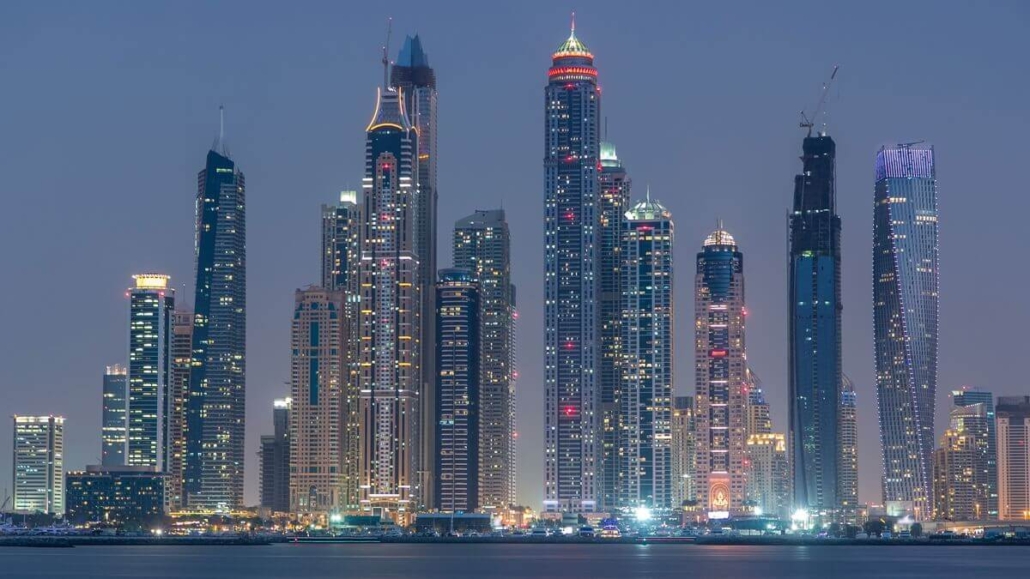
- High Occupancy: Prime areas like Downtown Dubai, Dubai Marina, and Palm Jumeirah consistently achieve occupancy rates of 75-85% during the peak season (October to April) and maintain a healthy 50-60% even during the hotter summer months. This translates to significantly higher rental yields compared to the traditional long-term rental market, often by a margin of 20-40%.
2. Access to a Global, High-Value Clientele
Dubai’s status as an international crossroads means your guests will come from all corners of the globe. This includes high-net-worth individuals, business travelers, families on vacation, and attendees of major global expos and conferences. This diverse and affluent customer base is often willing to pay a premium for well-located, stylish, and professionally managed properties.
3. Flexibility and Asset Control
Unlike a long-term lease that locks in a property for a year, a short-term rental model provides property owners with immense flexibility. You can block out dates for personal use, adjust pricing dynamically to capitalize on city-wide events, and maintain closer control over the condition and upkeep of your asset.
The Challenges: Navigating the Competitive Landscape
While the rewards are significant, the path is not without its obstacles. Acknowledging these challenges is the first step towards mitigating them.
1. Stringent Regulatory Compliance
The DET’s framework, while beneficial, is non-negotiable. Obtaining the license involves paperwork, property inspections, and adherence to specific furnishing and safety standards (e.g., fire extinguishers, first aid kits). Staying compliant with reporting and fee submissions is an ongoing responsibility.
2. Intense Market Competition
The secret is out. Dubai’s short-term rental market is highly competitive. As of June 2025, there are an estimated 22,000 active short-term rental listings across the city. To succeed, your property must stand out. This means superior interior design, professional photography, competitive pricing, and, most importantly, flawless guest reviews. A generic listing will be lost in the noise.
3. The Demands of Property Management
Running a successful Airbnb is a 24/7 business, not a passive investment. It involves:
- Guest Communication: Promptly answering inquiries, pre-arrival questions, and in-stay issues.
- Logistics: Coordinating check-ins/check-outs and professional cleaning between stays.
- Maintenance: Addressing issues like a faulty AC unit or a plumbing leak immediately.
- Seasonality: Revenue can fluctuate significantly between the peak winter season and the slower summer months. Financial planning must account for this.
A Step-by-Step Guide to Launching Your Dubai Airbnb Business
Here is a practical, sequential guide to take you from concept to your first booking.
Step 1: In-Depth Market Research and Location Selection
Your property’s location is the single most important factor for success. Don’t just choose a “good” area; choose the right area for your target guest.
- Top-Tier Locations:
- Downtown Dubai: Targets tourists wanting to be near the Burj Khalifa, Dubai Mall, and Dubai Fountain. High ADR but high purchase price.
- Dubai Marina & JBR: Appeals to families and leisure travelers seeking a beachside, vibrant atmosphere with dining and entertainment.
- Palm Jumeirah: The epitome of luxury. Attracts high-net-worth guests seeking exclusive villas and apartments with private beach access.
- High-Growth & Value Locations:
- Jumeirah Village Circle (JVC): Offers excellent value for money. Popular with families and budget-conscious travelers due to larger spaces and lower prices, with good connectivity.
- Business Bay: Caters to both business travelers and tourists, given its proximity to Downtown and the Dubai Canal.
- Dubai Hills Estate: A rising star, attracting families with its green spaces, mall, and central location.
Step 2: Master the Legal Framework and Obtain Your License
This is a non-skippable, critical phase.
- Choose Your Path: Decide if you will operate as an individual property owner or set up a licensed Holiday Home company.
- Property Eligibility: If you are renting the property yourself, you must obtain a No Objection Certificate (NOC) from your landlord explicitly permitting subleasing for short-term holiday rentals. If you own the property, you need your title deed.
- Application Submission: Apply for your Holiday Home permit through the DET’s online portal. You will need to submit:
- Passport/Emirates ID copy.
- Title deed or landlord’s NOC and Ejari (tenancy contract).
- Recent DEWA (Dubai Electricity and Water Authority) bill.
- Property details (number of rooms, size, etc.).
- Property Inspection: Once the initial application is approved, the DET will schedule an inspection to ensure your property meets all quality and safety standards.
- Permit Issuance: Upon passing the inspection and paying the requisite fees (which can range from AED 1,500 to AED 2,000 annually per unit, subject to change), you will be issued your official Holiday Home permit.
Step 3: Property Acquisition and “Instagrammable” Furnishing
- Buy vs. Rent: Assess your capital. Buying offers long-term appreciation, but renting allows for lower initial outlay and flexibility to change locations.
- Furnishing for Success: Your interior design is your marketing.
- Theme: Choose a clean, modern, and uncluttered theme. Scandinavian and contemporary styles work well.
- Invest in Key Items: A comfortable mattress, high-quality linens, a great sofa, and a large smart TV are non-negotiable.
- Amenities: Provide fast Wi-Fi (at least 250 Mbps), a well-equipped kitchen, a Nespresso machine, a washer/dryer, and an iron.
- The “Wow” Factor: Add a unique piece of art, a stylish accent wall, or a cozy balcony setup that makes your property memorable and photogenic.
Step 4: Crafting and Optimizing Your Listing

- Professional Photography: This is your most crucial marketing investment. Hire a professional real estate photographer to capture your property in the best light.
- Compelling Title & Description: Your title should be catchy and highlight a key feature (e.g., “Stunning Marina View Apt | 2 Mins to Beach & Metro”). Your description should tell a story, selling the experience of staying there, not just the features.
- Leverage Multiple Platforms: While Airbnb is the giant, also list on Booking.com, Vrbo, and local platforms to maximize visibility. Use a channel manager to sync calendars and avoid double bookings.
Step 5: Operations: The Self-Manage vs. Professional Management Decision
- Self-Management: You retain 100% of the revenue but are responsible for everything. This is feasible if you live in Dubai and have the time and energy.
- Hiring a Property Management Company: Companies like MasterHost handle everything from listing and marketing to cleaning, maintenance, and guest communication. They typically charge a commission of 15% to 25% of the gross rental revenue. For remote investors or those with multiple properties, this is often the most practical choice.
Financial Planning and Management: The Numbers Game
A successful business runs on sound financial management.
Initial Investment Breakdown (Example for a 1-Bedroom Apartment)
- Property Acquisition (if renting): AED 80,000 (annual rent) + AED 4,000 (security deposit)
- Furnishing & Equipment: AED 30,000 – AED 50,000
- Licensing & Setup Fees: AED 3,500
- Professional Photography: AED 1,000
- Initial Contingency Fund: AED 5,000
- Total Estimated Initial Cost (if renting): ~ AED 123,500 – AED 143,500
Ongoing Expenses
- Rent/Mortgage: Your primary fixed cost.
- Utilities (DEWA): Can be significant, especially with AC usage in summer.
- Building Service Charges (if owned): Varies by building.
- Cleaning Fees: AED 150 – AED 250 per cleaning.
- Management Fees (if applicable): 15-25% of revenue.
- Consumables: Coffee, tea, toiletries, cleaning supplies.
- Taxes: Remitting the Tourism Dirham fee and managing Value Added Tax (VAT) if your revenue exceeds the mandatory registration threshold of AED 375,000 per year.
Pricing Strategy for Maximum Revenue
- Dynamic Pricing: Do not set one price for the whole year. Use pricing software (like PriceLabs, Wheelhouse or Hosty) that analyzes market demand, seasonality, and local events to adjust your rates daily.
- Event-Based Premiums: Significantly increase prices during major events like New Year’s Eve, Formula 1, GITEX Global, and major holidays.
- Length-of-Stay Discounts: Offer weekly and monthly discounts to attract longer-term guests, especially during the off-peak season.
Conclusion and the Future Outlook for Dubai’s Airbnb Market
Starting an Airbnb business in Dubai in 2025 is an endeavor rich with opportunity, but it is a business, not a hobby. The market has matured past the point where a spare bed and a simple listing can guarantee success. Today’s winners are those who operate with the professionalism of a boutique hotel: they are legally compliant, masters of marketing, financially astute, and obsessed with guest satisfaction.
The future remains incredibly bright. As Dubai marches towards its ambitious D33 goals, the influx of tourists, business professionals, and event attendees will continue to swell, creating a deep and sustainable well of demand. The key trends shaping the future will be:
- Increased Professionalization: The gap between amateur hosts and professional operators will widen.
- Technology Integration: Smart home technology, dynamic pricing tools, and channel managers will become standard.
- Niche Experiences: Success will come from catering to specific niches—wellness retreats, family-friendly setups, or tech-savvy business-ready apartments.
For those prepared to invest the capital, time, and strategic effort, the doors to a thriving short-term rental business in the heart of one of the world’s most exciting cities are wide open. The gold rush continues, and with this guide in hand, you are now equipped to stake your claim.