

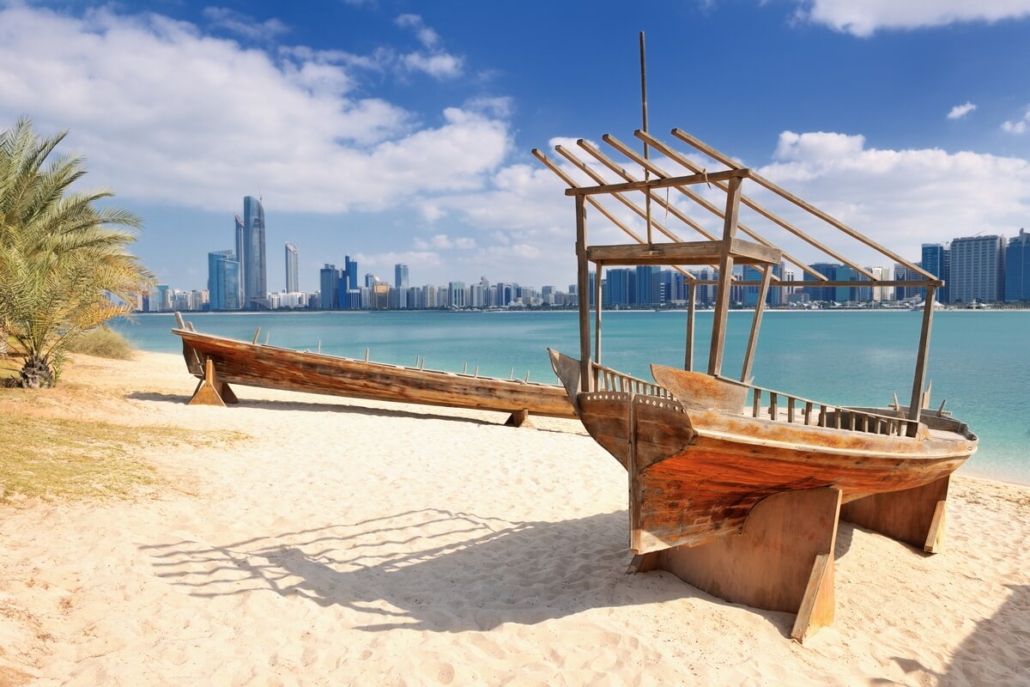
How to Start an Airbnb Business in Abu Dhabi
So, you have a property in Abu Dhabi and want to list it on Airbnb? Great idea! Abu Dhabi’s mix of cultural attractions, business hubs, and year-round events means plenty of travelers are looking for places to stay. But starting an Airbnb business in Abu Dhabi isn’t as simple as uploading photos. You’ll need to navigate local laws, prepare your space, and manage guests professionally to succeed. In this guide, we’ll walk you through everything from legal permits and licensing to real estate tips, budgeting, and hosting best practices, all tailored to Abu Dhabi’s market. Let’s dive in!
Explore The Host’s Ultimate Guide to the Airbnb Market of Dubai Marina.
Why Start an Airbnb in Abu Dhabi?
Abu Dhabi’s short-term rental market is rapidly growing. The government has embraced home-sharing, partnering with Airbnb in 2022 to promote responsible holiday homes. This means as a host, you have both strong demand and a supportive regulatory framework. Tourists flock to Abu Dhabi for its iconic attractions and year-round events, and many prefer the space and value of Airbnbs over hotels. Whether you’re a local resident with a spare property or an investor seeking returns, Abu Dhabi offers a compelling opportunity: a booming tourism sector, high-quality infrastructure, and clear rules that let you tap into this lucrative market.

Legal Requirements and Licensing in Abu Dhabi
To run an Airbnb legally in Abu Dhabi, you must comply with strict regulations set by the Department of Culture and Tourism (DCT Abu Dhabi). These rules were introduced in 2020 and updated in 2023 to ensure guest safety, market stability, and responsible hosting. Here’s what you need to know:
Mandatory license: You must obtain a Holiday Home license from DCT Abu Dhabi before listing your property on Airbnb or any short-term rental platform. Hosting without a valid license is illegal and subject to heavy fines.
Entire property only: Only full units can be rented such as apartments, villas, townhouses, caravans, or private farms. Renting individual rooms, shared spaces, or dividing units for partial rental is strictly prohibited.

Who can host:
- Only property owners (individuals or companies) are eligible to apply for a license.
- Tenants may only operate as hosts if they receive explicit written permission from the owner and meet all DCT requirements.
Multiple unit licensing:
- A single owner may apply to license more than one property, but each additional unit must be approved separately by DCT Abu Dhabi.
- The application is evaluated using DCT’s Seasonality Model and Lodging Model, which assess the impact of the unit on the local tourism market, occupancy rates, and other performance metrics.
- Approval is granted only if the proposed units do not negatively affect the hospitality sector in the area.
Safety and quality standards:
- Properties must meet mandatory safety requirements, including a valid fire safety certificate from Abu Dhabi Civil Defence.
- Basic equipment such as smoke alarms, fire extinguishers, emergency lighting, and CCTV at the entrance (as required by MCC Abu Dhabi) must be provided.
- Units must also include essential furniture, a stocked kitchen, cleaning services before and after guest stays, and emergency contact details.
Licensing process: Apply through the DCT’s online portal. You’ll need to submit:
- Emirates ID or passport copy
- Unit title deed or tenancy contract
- Insurance certificate for the property
- Good conduct certificate (if applying as an operator)
- Any other documentation requested by DCT
License cost: AED 900 (non-refundable). Licenses remain valid for a period of one year and require annual renewal. Late renewals are subject to fines.
Ongoing obligations:
- Hosts must report guest stays, revenues, and nationalities regularly to DCT.
- You are required to collect a 6% Tourism Fee from guests and remit it to DCT Abu Dhabi by the 15th of the following month.
- Maintain detailed accounting records and guest logs. DCT may audit your unit at any time.
- The unit must be continuously compliant: violations can result in suspension, fines, or license revocation.
Enforcement and penalties: DCT inspectors may conduct unannounced inspections. Failure to comply with regulations can lead to:
- Reinspection fees (AED 1,040)
- Administrative fines
- License suspension or permanent cancellation
Once licensed and set up, you can enjoy the benefits of operating with peace of mind and full legal protection. DCT Abu Dhabi actively supports compliant holiday home operators and promotes the growth of responsible short-term rentals across the Emirate.
Real Estate Tips for the Abu Dhabi Market

Best Locations
Travelers tend to gravitate toward certain areas. Downtown and the Corniche (waterfront) are always popular due to beach access and city attractions. Saadiyat Island is known for its beaches and cultural sites, appealing to high-end visitors. Yas Island is a hotspot for families (theme parks like Ferrari World, plus a Formula 1 track). Other investment zones like Al Reem Island and Al Raha Beach also see demand, especially among expats. Choosing a property in or near these high-demand areas will boost your booking potential.
Property Type
One-bedroom and studio apartments are often the sweet spot for short-term rentals. They are easier to keep full and typically offer a higher rental yield percentage than very expensive large villas. Most tourists travel as couples or small families, so a well-furnished 1BR can perform excellently. That said, a unique larger property (e.g. a villa with a private pool) can charge a premium if there’s enough demand for it.
Local vs Foreign Ownership
UAE citizens and resident expats have the advantage of proximity, you can personally manage many aspects of hosting. Foreign investors not residing in the UAE should focus on buying in the designated investment zones (freehold areas) where non-locals can own property. The great news is those zones include the prime areas mentioned above. If you’re abroad, consider how you’ll handle operations (for example, hiring a local property manager or co-host). With the right choice of property and support system, both locals and overseas owners can thrive in Abu Dhabi’s Airbnb market.
Explore Airbnb Management in Abu Dhabi: Fees from 10% | MasterHost.
Budgeting and Cost Breakdown

Starting an Airbnb business in Abu Dhabi comes with some upfront costs and ongoing expenses. Make sure to budget for the following:
- License fee: ~AED 1,000 per year for the DCT holiday home license (renewed annually).
- Property acquisition or rent: If you already own the property, great; if not, factor in the cost of buying (down payment, mortgage, fees) or renting a suitable place. Leasing a property to sublet will require a security deposit and advance rent, which means significant upfront cash. Ensure any lease allows short-term subletting.
- Furnishing & setup: To furnish and equip the space, expect a one-time investment. For a one-bedroom apartment, this could range from about AED 20,000 (using cost-effective basics) to AED 40,000 or more (for higher-end decor and appliances). This covers furniture, kitchenware, linens, electronics, and décor to make your property guest-ready.
- Utilities, maintenance & cleaning: As the host, you’ll cover water/electricity and internet bills. Utilities can be a few hundred dirhams per month depending on usage and property size. Regular maintenance (AC servicing, minor repairs) should be budgeted for as well. Additionally, after each guest, the property needs cleaning; you might pay a cleaner ~AED 150-250 per turnover (often offset by charging a cleaning fee to guests). Don’t forget recurring costs like restocking basic supplies (toiletries, coffee, etc.).
- Platform fees and taxes: Airbnb takes roughly a 3% host fee from each booking. Abu Dhabi also imposes the 6% Tourism Fee on the rental revenue, which you collect from guests and later remit. On the upside, there’s no income tax on rental earnings, so you keep the rest. (VAT at 5% would only apply if your rental business is very large, above AED 375k/year, which most individual hosts won’t reach.)
By mapping out these costs, you can estimate how much you need to invest upfront and what your ongoing monthly expenses will be. This helps in setting the right nightly rates and calculating your potential profits.
ROI and Profitability Expectations
Naturally, you want to know if all this effort will pay off. The return on investment for an Airbnb in Abu Dhabi can be quite attractive, especially compared to traditional renting, but it depends on your property and management.
On average, a single Airbnb listing in Abu Dhabi might gross around AED 60,000 per year in rental income (about $17k). If your property is worth AED 1 million, that’s roughly a 6% gross yield, which already compares favorably to the ~5% you’d get from a long-term tenant. With smart pricing and good occupancy, some hosts achieve higher yields. Smaller units in prime locations often see the best ROI since they cost less to buy but can stay booked most of the year.
Your occupancy rate and average nightly rate are the biggest profit factors. Abu Dhabi has seasonal demand: high in the cooler winter months and lower in the hot summer. During peak season (say November to March), you can command strong rates and back-to-back bookings, whereas in off-peak summer, you might lower prices or offer discounts for longer stays to attract guests. Using dynamic pricing tools or adjusting your rates for major events (e.g., big conferences or race weekends) can significantly boost your annual revenue.
Short-term rentals, when well managed, often outperform long-term rentals in terms of income. Industry data shows that an Airbnb can earn 2-3 times the monthly rate of a traditional lease for the same property. But remember, your costs are higher and it requires effort to achieve high occupancy. After accounting for cleaning, utilities, and other expenses, you should evaluate your net income. Many hosts in Abu Dhabi report net yields in the high single digits (percentage of property value), and some reach double digits if they keep their place mostly occupied. In summary, if you run your Airbnb diligently, keeping guests happy and pricing wisely, you can expect a healthy profit and a return that often beats a conventional rental.
Setting Up Your Airbnb Listing for Success

Creating an appealing Airbnb listing is crucial to draw guests. Here are some tips to make your listing stand out:
- Use high-quality photos: Bright, well-lit photos will dramatically increase interest in your property. Showcase each room (ideally after staging it nicely) and highlight special features, like a great view or stylish décor. Consider hiring a professional photographer or use a good camera to take crisp, wide-angle shots. The first photo should be especially eye-catching.
- Catchy title and description: Your listing title should highlight the best feature of your place (e.g. “Cozy Seaview Apartment on Corniche Road” rather than “1-Bed Apartment”). In the description, give an accurate and inviting overview of the space. Mention the layout, key amenities, and what makes it special (“brand new kitchen, fully equipped,” “fast Wi-Fi and dedicated workspace,” “5-minute walk to the beach,” etc.). Be honest and clear – set guest expectations correctly about things like size or any quirks of the property.
- Amenities and house rules: In your listing, tick off all the amenities you offer from basics like air conditioning and a washer, to extras like free parking, gym/pool access, or a baby crib. A well-stocked home (think extra towels, toiletries, tea/coffee, etc.) tends to get better reviews. Also, communicate your house rules upfront (no smoking, no parties, pet-friendly or not, quiet hours if needed). This helps guests self-filter and prevents misunderstandings later.
- Smart pricing strategy: Research similar listings in your area and set a competitive nightly rate. When you’re new and have few or no reviews, you might price slightly below the market average to attract your first few bookings. Adjust your rates seasonally, charge more during peak tourist season or major event weekends, and consider discounts for longer stays in off-peak times. Airbnb’s Smart Pricing tool or third-party dynamic pricing software can help, but you can also manually tweak prices based on demand. And be mindful of the 6% tourism fee; if Airbnb isn’t automatically adding it, factor it into your rate.
- Be responsive: Prompt communication can significantly improve your booking rate. Many guests send inquiries or have questions before booking, replying quickly (within an hour or two) shows you’re an attentive host and can secure the reservation. Airbnb’s search algorithm favors hosts who respond fast and have a high response rate. If you’re comfortable, enabling Instant Book (so guests can book without waiting for approval) can also boost bookings, since many travelers prefer the convenience.
By optimizing your listing with great presentation, complete information, and fair pricing, you’ll attract more guests and set the stage for positive reviews.
Managing Guests and Maximizing Your Reviews

Hosting is an active job. How you manage the guest experience will directly impact your reviews (and thus future bookings). Here’s how to be a 5-star host in Abu Dhabi:
- Smooth check-in & welcome: Make check-in hassle-free. Provide clear instructions for finding the property and getting keys (many hosts use a lockbox or smart lock so guests can self check-in any time). If you meet guests in person, be on time and friendly. Consider leaving a welcome note or a small gift (like bottled water or local snacks) to delight them upon arrival.
- Keep it spotless and maintained: Before each guest arrives, ensure the property is hotel-level clean. Fresh linens on the beds, a sparkling bathroom, and no dust in sight. Regularly inspect your place for any maintenance issues and fix them promptly, for example, replace burnt-out light bulbs or service the AC so everything works perfectly. Always restock essentials so guests never run out of toilet paper, soap, etc.
- Be responsive and helpful: During a guest’s stay, be reachable and respond quickly to any questions or problems. If a guest messages that they can’t find something or an appliance isn’t working, reply as soon as possible and resolve it if you can. Your responsiveness will often get mentioned in reviews. Keep communication polite and positive, and make the guest feel taken care of. In case something goes wrong (like an Internet outage or a plumbing issue), apologize for the inconvenience and do your best to fix it fast. Guests understand that issues can happen. It’s how you handle them that counts.
- Encourage good reviews: Satisfied guests are usually happy to leave a positive review. After check-out, send a short thank-you message and let them know you’d appreciate their feedback on Airbnb. Consistently great hospitality will naturally earn you 5-star reviews, which in turn attract more guests. Over time, you might even achieve Superhost status by maintaining high ratings and zero cancellations, a nice badge that can further increase bookings.
Every interaction with your guests is an opportunity to create a wonderful experience. By being attentive, thoughtful, and professional, you’ll turn one-time visitors into glowing reviewers (and maybe even repeat guests).
Tailored Advice for Different Hosts
For Local/Resident Hosts
If you live in Abu Dhabi, you can be hands-on. You might handle key exchanges personally, use your local knowledge to advise guests on the area, and check on the property often. Just make sure your landlord or building management permits short-term rentals if you don’t own the property. Being local means you can address issues quickly and add personal touches that only an insider would know, which can really elevate the guest experience.

For Overseas Investors
If you’re not based in the UAE, consider hiring a local property management service or a trusted co-host to handle day-to-day operations and guest communication. This will eat into your profits (management companies might charge 10-20% of revenue), but it ensures guests get quick assistance and everything runs smoothly. Stick to purchasing property in freehold investment zones so you have full ownership rights. With a reliable local team and the right systems in place (for example, being able to pay cleaners or handymen remotely), you can successfully manage an Abu Dhabi Airbnb from abroad.
Conclusion
Starting an Airbnb in Abu Dhabi takes effort, from getting licensed to furnishing the apartment and providing great hospitality. But it can be rewarding once it all falls into place. By following the regulations and delivering a top-notch guest experience, you set yourself up for success. Abu Dhabi’s tourism is growing, and many travelers want the kind of authentic, comfortable stay you can provide.
Get your paperwork in order, prepare your space to be welcoming and safe, and list your property for the world to see. Stay responsive and attentive to your guests’ needs, and the positive reviews and earnings will follow. With dedication and a bit of patience, you’ll soon reap the rewards of your Airbnb business in Abu Dhabi. Happy hosting!
FAQs
Q: Do I need a license to host on Airbnb in Abu Dhabi?
A: Yes. You are required to obtain a Holiday Home license from DCT Abu Dhabi before renting out your place short-term. This official permit makes your rental legal. Operating without it can result in heavy fines, so don’t skip this step.
Q: I’m renting my apartment. Can I list it on Airbnb?
A: Only with your landlord’s explicit permission. If you don’t own the property, you must get written consent from the owner to sublet it on Airbnb. Also, keep in mind Abu Dhabi only allows renting out the entire unit (no individual room rentals). Check your tenancy contract too, as some landlords prohibit subleasing.
Q: What taxes or fees do Airbnb hosts pay in Abu Dhabi?
A: The main one is the Tourism Fee: 6% of the rent, which you collect from guests and pay to the government. Airbnb also takes roughly 3% of each booking as their service fee. There’s no income tax on rental earnings, and UAE’s 5% VAT doesn’t apply unless you have a very high turnover (most individual hosts won’t hit the VAT threshold).
Q: How much money do I need to start an Airbnb in Abu Dhabi?
A: Aside from the property cost or lease, budget around AED 1,000 for the license and perhaps AED 20k–40k to furnish and equip an apartment (depending on size and the quality of items). You’ll also need to cover utility setup and deposits, plus have some cash for initial supplies and contingencies. If you already have a furnished place, your startup expenses will be significantly lower.
Q: Is an Airbnb in Abu Dhabi profitable?
A: It certainly can be. A well-managed Abu Dhabi Airbnb can gross about AED 60k a year (more for larger or premium properties). After expenses, many hosts see a net yield that’s higher than what a long-term rental would give. If you keep your occupancy high and earn great reviews, you could earn substantially more, often far exceeding the income from a traditional one-year lease. Profitability comes down to doing things right: good property, proper pricing, and excellent hospitality that encourages repeat stays and referrals.