
Airbnb Camping: How Hosts Can Create Profitable Outdoor Stays
Key Takeaways
- Airbnb camping spans tents, glamping setups, off-grid cabins, domes, and yurts, with each format hitting a different price point and audience.
- Outdoor stay demand has been driven by digital detox interest, short weekend escapes, and traveler preference for distinctive experiences over uniform hotel rooms.
- Glamping tents, domes, and yurts typically earn higher nightly rates than basic campsites because of design appeal, comfort, and photogenic atmosphere.
- Privacy, a clean private bathroom, a comfortable bed, and a functional fire pit zone sit at the top of almost every outdoor guest’s expectation list.
- Mandatory amenities for paid outdoor listings now include a working toilet, a hot shower, heating, parking near the site, and a basic cooking area.
- Site quality determines pricing more than build quality, with privacy buffers, scenic views, and road access driving the largest premiums.
- Strong outdoor listings rely on natural-light photos, honest experience copy, and clear management of guest expectations about utilities and access.
- Seasonality shapes revenue heavily, with summer weekends in northern climates often commanding double the midweek rate during shoulder months.
- Hosts can lift income through paid extras such as firewood bundles, breakfast baskets, sauna sessions, kayak rentals, and curated welcome kits.
- Weather sensitivity, short operating seasons, and remote-site logistics make outdoor stays higher-risk than urban units without solid planning.
- Outdoor stays follow an experience-first model where atmosphere and surroundings carry more weight than square footage or interior styling.
- Common mistakes include underbuilt facilities, weak photography, vague descriptions, and ignoring storm preparation on exposed properties.
Introduction
A single wooded acre with a yurt and a fire pit can outearn a downtown studio per booking when the listing speaks to the right kind of traveler. That shift is what makes Airbnb camping one of the most interesting categories on the platform right now. Hosts with a small piece of land, modest infrastructure, and a clear sense of atmosphere are pulling in repeat bookings. Their guests would rather sleep under a tree canopy than under hotel ceilings.
This piece walks through what outdoor stays involve, what guests expect, which formats earn the most, how to price seasonally, and where the real risks sit.
- Top unique Airbnb in Nova Scotia, Canada
- Top unique Airbnb іn Alberta, Canada
- Best Unique Airbnb in Ontario: A Guide to the Most Interesting Accommodation Options
What Airbnb Camping Actually Means on the Platform
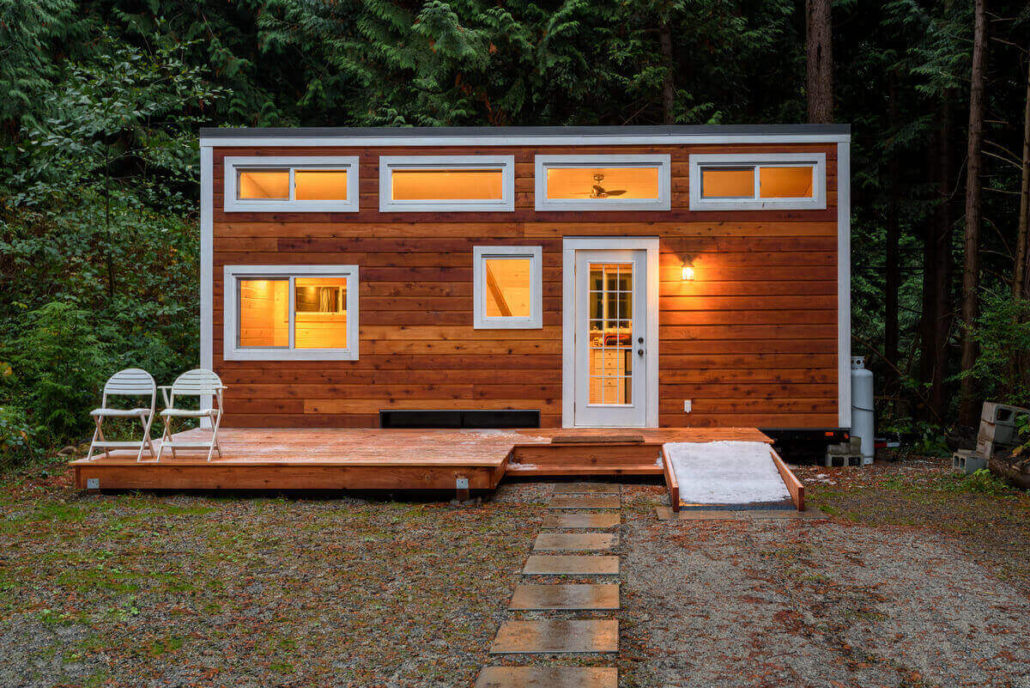
Airbnb camping covers any short-term rental where the core appeal is the outdoor setting rather than the building itself. The listing might be a canvas tent on a deck, a wood-clad cabin with a wraparound porch, a geodesic dome with a skylight over the bed, or a yurt in a clearing.
A few categories sit close together but differ in important ways. Classic camping leans rustic: a tent, basic facilities, and a low nightly rate. Glamping keeps the outdoor frame but adds a real bed, lighting, and a finished bathroom. Cabin stays trade the canvas for solid walls and full-season heating. Off-grid stays remove the urban utility connection entirely and run on solar, propane, and water tanks. When listing, hosts select a property type such as Cabin, Tiny home, or Unique space, which is how Airbnb tags yurts and domes. Note that Airbnb retired its homepage category browse icons in April 2025, so guests now discover outdoor stays through location searches, photos, and titles rather than category pages. Guests choose these formats over regular housing because they want quiet, a dark sky, fire, and the feeling of being somewhere genuinely apart from the city.

Why Outdoor Stays Have Climbed in Popularity
Several traveler trends have stacked on top of one another. Interest in outdoor recreation expanded sharply after 2020 and has not retreated to pre-pandemic levels. Short trips inside driving range, often two to three nights, now make up a meaningful share of Canadian and US Airbnb bookings. Digital detox is no longer a niche product; corporate workers actively search for stays with poor cell coverage as a feature rather than a flaw.
There is also a shift in what travelers post about. A standard apartment rarely shows up on a guest’s social feed, but a glass dome under the northern lights does. Unique experience formats now outperform conventional stays on review scores in the same price band, which compounds their visibility on the platform.
Outdoor Stay Formats That Earn the Most
Format choice shapes your entire economics: build cost, nightly rate, audience, and operating season. The table below compares the main options.
| Format | Setup cost | Nightly rate (CAD) | Best for | Operating season |
| Basic tent platform | Low | $40 to $90 | Budget travelers, festivals | Summer only |
| Glamping tent | Medium | $150 to $350 | Couples, weekend romance | Late spring to early fall |
| Cabin | High | $120 to $400 | Families, all-season guests | Year-round |
| Dome | Medium to High | $200 to $500 | Stargazing, couples | Year-round with heat |
| Yurt | Medium | $130 to $280 | Groups, cultural appeal | Year-round possible |
| Tiny cabin | Medium | $110 to $250 | Solo travelers, couples | Year-round |
Domes and glamping tents tend to lead on revenue per build dollar in scenic locations. Cabins offer the most stable year-round occupancy. Basic tent sites have the lowest upside but also the lowest risk if you already own suitable land. For deeper guidance on how to set rates across formats, the Airbnb pricing strategy guide covers models in detail.
What Outdoor Guests Actually Expect
Reviews on outdoor listings reveal a consistent pattern.
- Privacy comes first. Guests want to sit by a fire without seeing or hearing neighbors.
- Cleanliness is second, and the standard is the same as any apartment: spotless bathroom, fresh linens, no clutter inside or around the site.
- The next tier covers the sleep setup, the fire zone, and the bathroom. A proper mattress, blackout coverings, and quiet bedding matter even more than they do indoors, because the rest of the stay is often roof-free.
- The fire pit needs to be a real zone with safe seating, dry wood, and a wind buffer.
- The bathroom and shower must work without explanation.
- Electricity, even if minimal, must run lights and charge phones reliably.
Anything sold as “rustic” should still feel intentional rather than missing.
Mandatory Amenities for a Paid Outdoor Listing
A free campground can get away with shared facilities and cold water. A paid Airbnb cannot. Treat these as the baseline before listing.
- Toilet: a flushing, composting, or incinerating unit in a private structure, not a shared public stall.
- Shower: hot water, year-round if you operate year-round, with a private enclosure.
- Kitchen zone: at least a covered cooking surface, a sink with potable water, and basic cookware.
- Heating: a wood stove, propane heater, or electric source rated for the coldest night of your season.
- Parking: a defined spot within a short walk of the unit, navigable in normal weather.
- Wi-Fi: optional, but a strong signal expands your booking pool to remote workers willing to stay midweek.
The cleaning standard for outdoor stays does not drop just because the unit sits in a forest. A practical reference is the Airbnb cleaning checklist, which applies to canvas walls and cabin floors the same way it applies to apartments.

How to Choose the Right Land
Site quality usually beats build quality. A modest cabin on a quiet five-acre lot will outperform a stunning dome shoved against a busy road. When evaluating a parcel, weigh five factors.
- Privacy: visual and acoustic separation from neighbors. Tree cover, slope, or natural berms help.
- Accessibility: a year-round driveable approach, ideally without specialty vehicles in the seasons you operate.
- View and surroundings: water, mountains, forests, or open sky frames the listing photos and the experience.
- Terrain: flat enough for a stable platform, dry enough to avoid mud, with no flood-prone zones.
- Distance to a town: close enough for groceries and emergencies, far enough to feel like a real escape. Forty-five minutes is often the sweet spot.
Land that scores well on three or more of these factors is worth pursuing, even if the structure on it is modest.
Designing the Listing Page
Photography drives clicks more than copy does for outdoor stays. Shoot during the golden hour; include at least one image of the fire lit at dusk, one interior shot, one bathroom shot, and one wide image showing the property in its surroundings. Avoid heavy filters; guests want to see real conditions.
Write the description as an experience rather than a feature list. Lead with what the stay feels like, then cover practical details. Be honest about access (a 400-meter forest walk in), seasonality (no running water from November to April), and connectivity (cell signal on the road only). Setting expectations correctly is the single biggest predictor of five-star reviews on outdoor listings. A useful companion read is the Airbnb welcome guide, which translates well into a printed booklet or pre-arrival message tailored to your site.
Why Outdoor Stays Can Be Highly Profitable
Profit in this category comes from four levers working together. Land that you already own removes the largest fixed cost. Unique structures hold premium rates because supply in any given region is thin. Weekend demand in scenic areas pushes occupancy on Friday and Saturday well above conventional rentals during peak months. And unique stays earn faster organic visibility on Airbnb than another generic two-bedroom in a saturated city.
A well-positioned glamping tent on owner-held land can pay back its build cost within one to two summer seasons in markets like Muskoka, the Eastern Townships, or Vancouver Island. For hosts already operating other units, increasing Airbnb revenue often comes from adding a single outdoor stay to a portfolio rather than scaling identical apartments.

Pricing Outdoor Stays Through the Year
Seasonality dominates outdoor pricing. In most Canadian and northern US markets, July and August carry 60 to 70 percent of annual revenue. May, June, September, and October produce solid shoulder rates if your unit is heated. Winter operation requires both insulation and a clear narrative (sauna stays, snowshoe access, and aurora viewing) to fill nights.
Weekend pricing should run 25 to 50 percent above midweek in peak season. Glamping units price above basic camping by a wide margin because the comfort gap is large and visible in photos. Add-ons matter: firewood bundles, late checkout, breakfast baskets, hot tub heating fees, and guided experiences are routine upsells that lift revenue without raising the headline nightly rate.
| Amenity | Approximate nightly uplift (CAD) | Notes |
| Hot tub | $50 to $120 | Strongest single revenue driver year-round |
| Wood-fired sauna | $40 to $80 | High demand in Canadian and Nordic-themed markets |
| Outdoor kitchen | $20 to $40 | Reduces restaurant trips and lifts longer stays |
| Glass roof or stargazing window | $30 to $70 | Top draw for domes and certain cabins |
| Pet-friendly setup | $15 to $30 | Expands the addressable booking pool |
| Lake or river access | $40 to $100 | Premium on waterfront sites |
| Reliable Wi-Fi | $15 to $35 | Enables midweek remote-work stays |
Mistakes That Sink Outdoor Listings
Five problems show up repeatedly in low-rated outdoor stays. Underbuilt sites, where a host opens to bookings before facilities really work, generate the worst reviews and rarely recover. Poor photography, especially midday shots with harsh shadows, suppresses click-through. Vague descriptions that overpromise atmosphere and underdescribe practicalities lead to refund requests. Weather denial, where a host treats storms as guest problems, ends in cancellations and complaints. And neglected approaches, including rough driveways or unclear trail markers, color the entire stay before guests arrive at the unit.
Risks Worth Pricing In
Weather is the largest variable. A rainy long weekend in July can erase a month of planned revenue. Seasonality means you may earn nothing for four to five months unless you operate year-round. Site maintenance scales with land size: mowing, brush clearing, snow removal, and tree work all add labor costs. And safety planning matters more than in urban units, since you must think through fire risk, wildlife encounters, first-aid distance, and severe weather sheltering for every guest.
These are manageable risks, but they should sit in your business plan before construction starts.
How Outdoor Stays Differ From Conventional Airbnbs
A standard apartment listing competes on location, comfort, and value. An outdoor stay competes on atmosphere and feeling. Guests forgive smaller spaces and simpler interiors if the setting delivers. They also expect less infrastructure overall, but they punish weak essentials harder. There is no backup option in remote locations: no nearby hotel, no quick replacement of a broken heater. The emotional weight of an outdoor stay is also higher. People book it for a milestone weekend, a quiet break, or a once-a-year escape. That raises the bar on getting the small details right.
Is Airbnb Camping Worth Launching?
The case for launching is strong if you already own suitable land, can self-perform basic construction or coordinate trades, and are willing to operate seasonally. Margins per booking are excellent, guests are highly engaged, and the category is still expanding rather than saturating in most regions outside the busiest national park gateways.
The case against is real for hosts with no land, limited capital, or no appetite for outdoor maintenance. Buying land specifically to build a glamping unit can take five to seven seasons to pay back. Seasonal-only operations create cash-flow gaps that need separate planning. And remote sites demand a hands-on host or a local cleaning and maintenance partner.
If managing seasonality, guest expectations, and maintenance on a remote outdoor site sounds like more than you want to take on, that is exactly the kind of property professional management was designed for.